
Licensed art therapist
Kyle Lang, LCAT (he/his)
- Neurodivergence
- Emotion Regulation
- Social Anxiety
- Perfectionism
- Complex Trauma
- Sexual Abuse Trauma
- LGBTQIA+ Issues
- Gender-Affirming Care
Pittsford location
Openings currently available
$125 self-pay rate
In-network with MVP
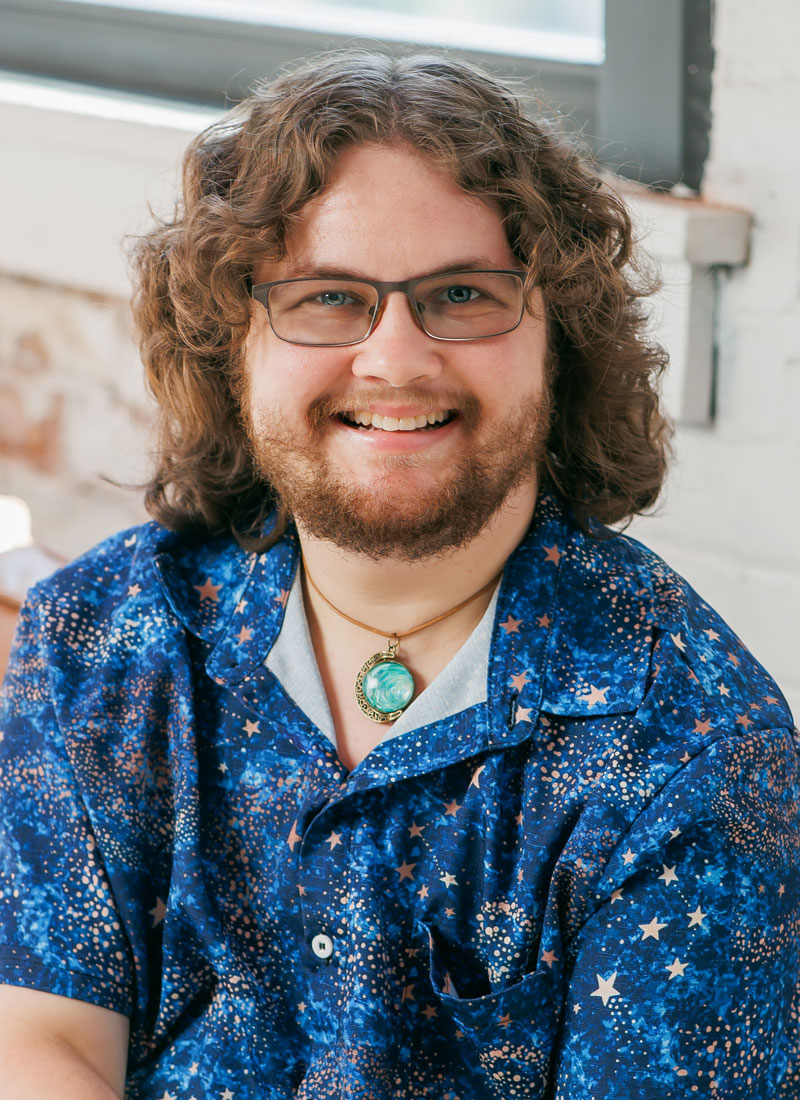
I believe life is a journey filled with challenges that can help us grow into the people we aspire to be. At times, though, you may feel lost or lack the support to fully honor your emotions in a way that keeps you connected to your values and relationships. As you explore what you want out of life, it is normal to feel uneasy as you try to uncover what feels right. This is true whether you’re a child starting to develop a sense of autonomy, or an adult figuring out how to be queer and/or neurodivergent in today’s society. Navigating these transitional periods while seeking self-fulfillment can be uncomfortable, but finding support with a relatable therapist can help ease this process. I can offer you help with improving emotion regulation, strengthening interpersonal relationships, and lessening the impact anxiety has on day-to-day experiences.
As we grow up, we hear stories about ourselves and others that shape our understanding of reality. These stories can impact our self-perception, often without us realizing it. Through a combination of Jungian and narrative therapy, we can explore the stories you tell yourself and uncover how they have shaped your interactions with the world. Together, we can work on developing a positive internal narrative to help guide you on your path. As a therapist, I use art making both as a way to express oneself authentically and as a coping skill. There is no right or wrong way to create, just as there is no right or wrong way of being. Art helps us rediscover aspects of ourselves that may have been lost as we have grown. Reconnecting with these parts can lead to a greater sense of wholeness. Utilizing an internal family systems (IFS) approach can aid in identifying and reuniting with these lost pieces of yourself, allowing for reintegration and closure. I also draw on aspects of cognitive behavioral therapy (CBT), especially when working with children. Youth and teens often need support in understanding their emotions and identifying causes for behaviors before they can make meaningful change. Overall, I hope that our work together will give you the skills and confidence to fully embrace life’s challenges while aligning with your authentic self.
Learn more about Kyle's Dungeons & Dragons Adventure Group for ages 11-14! This fun group meets for 8 sessions every Wednesday from July 8th to August 26th. It provides the kids opportunities to explore their identity, practice new ways of interacting, and engage in teamwork, all through the protective mask of their character.
Kyle will also facilitate the Adult Dungeons & Dragons Retreat on August 8th, from 10:00 AM - 1:00 PM. This imaginative space allows personal growth to happen naturally...through creativity, connection, humor, and shared adventure.
“They always say time changes things, but you actually have to change them yourself.”
a. warhol
Get To Know Kyle!
Education & Training
I began my education in art at Alfred University and graduated with a BFA. I pursued a master's degree in creative arts therapy at Nazareth University, as it was more attuned with how I view the importance of art and creativity.
Early in my career I worked in hospital and residential settings where I was trained in Therapeutic Crisis Intervention (TCI) as well as Trauma-Focused Cognitive Behavioral Therapy (TF-CBT). I use these, and other, trauma-informed approaches with clients, as neurodivergent and LGBTQ+ individuals are often disproportionately affected by trauma. Safety, choice, and collaboration are at the core of my practice.
client focus
I have an interest in working with children and adolescents who are having trouble with emotional regulation or behavioral difficulties. I have extensive experience working with children who have ADHD or autism to support their growth and development of skills related to independence. Additionally I work with youth who are exploring their gender and sexuality.
I also work with young adult clients who are navigating transitional periods and are looking for support with skill building. I primarily work with adults as they explore their identity, especially those who are LGBTQIA+ or who are transitioning away from parental guidance and support. Clients I see are also often working on themes of self-fulfillment, and interpersonal relationships.
Therapeutic approaches
I use trauma-informed practices in my work with clients. Many neurodivergent individuals have had the experience of trying to be fixed rather than finding the support they need to thrive. The therapy approaches I use are non-pathologizing and focus on asking what happened to you rather than what is wrong with you.
I draw on Internal Family Systems (IFS) to assist individuals with identifying parts of themselves that may have been masked over the years. Finding and reuniting aspects of the self that have been lost can help stregnthen self-esteem. Cognitive Behavioral Therapy (CBT) is also present in my therapeutic practices. Understanding how thoughts impact behaviors is important for making positive change. It can be easy to get stuck in negative thought patterns, so having support to recognize and challenge them can help clients move toward their goals.
areas of specialization
I work with a wide range of symptoms, however trauma is often at the core for those I work with. I have a special interest in working with kids, teens and adults who are experiencing gender dysphoria or who are questioning their identity. I also specialize in working with people who are diagnosed with or suspect autism, ADHD, anxiety, and/or depression.
What does a session with you look like?
I tend to follow the client's lead in session, especially early on as the focus is on creating a relationship built on trust and safety. This looks like allowing individuals their choice of materials and to lead the conversation. I primarily offer paint, clay, markers, and colored pencils, but clients are welcome to suggest any material they would like to try - there are so many! For kids I also have games and activities on hand to practice executive functioning skills such as social and communication skills, frustration tolerance, and time management.
As we work together more, I often add directed art making activities to session. This helps clients to engage and make progress toward specific skills and goals. In session I am laid back and flexible and work with clients to create a positive experience, shifting gears mid-session if needed. Generally your path is yours and there is no wrong way to do therapy. To overcome specific hurdles or make progress on certain goals I may gently challenge you to confront your discomfort, however this will always be done with your consent.
How do I know if we're a good fit?
I don't believe in cookie cutter therapy, so it may take some time to build a positive working relationship and learn what strategies work best for you. Therapy does not produce instant results but you can expect to start seeing progress within a few months. I have found that the more you put into therapy the more you get out of it. However, just because therapy is going slowly doesn't necessarily mean it's not working. It could be that clients need weeks, months, or even years to begin feeling truely safe enough to open up about their most difficult emotions.
Initially individuals will start to see small, inconsistent wins, but as therapy progresses they'll see larger shifts in emotional and behavioral patterns. Clients may notice more emotional awareness and healthier expression. They likely will need less support to identify and challenge negative thoughts and may feel more confident and attuned to their values. Increased self-compassion and patience are also commonly experienced.