
Anxiety Therapy
Spotted Rabbit StudioANXIETY THERAPY
Do your thoughts control your life?
DO YOU....
• Replay conversations, texts, or tiny moments from the day and wonder if you said the wrong thing?
• Feel like your body is braced for impact, even when nothing is technically wrong?
• Mask, people-please, over-explain, or perform being “fine” so other people do not see how anxious you really feel?
• Avoid tasks, messages, appointments, plans, or decisions because they feel too overwhelming to start?
• Feel exhausted from trying to function in spaces that do not understand your queerness, gender, neurodivergence, sensory needs, or boundaries?
• Shut down, freeze, get irritable, or lose access to words when your nervous system hits its limit?
• Want a counselor for anxiety who understands LGBTQIA+ and neurodivergent experiences without treating your identity or brain as the problem?
Art Therapy for Anxiety at a Glance
Anxiety can show up in more ways than worry
It may look like overthinking, shutdown, irritability, panic, avoidance, people-pleasing, or feeling constantly braced for impact.
Affirming care matters
The NIH published findings from a study that show LGBTQIA+ and autistic people often face higher rates of anxiety and struggle with equal access to care.
Creative arts therapy offers relief from anxiety
Art-making, movement, color, collage, clay, or visual journaling can help clients notice, express, and process what anxiety feels like in the body.
Therapy should not require masking
We support clients who are tired of explaining pronouns, neurodivergence, chosen family, dysphoria, burnout, or why feeling accepted is not always the same as feeling safe.
Anxiety treatment in Pittsford and Rochester, NY, and online across the state
Folx can work with an anxiety therapist in the Brighton or Pittsford studio spaces, or meet online.
ART THERAPY PROVEN TO SIGNIFICANTLY REDUCE SYMPTOMS
Art therapy for anxiety significantly reduces symptoms. Research from the NIH indicates a notable decrease in symptoms due to structured art therapy sessions.
Anxiety Therapy That Doesn’t Feel Like Therapy
...Therapy Through Creativity.
Maybe your anxiety looks less like “worry” and more like rereading texts or rehearsing conversations over and over again. It can look like avoiding the thing you really need to do, or crashing the second you are finally alone. Maybe you are tired of looking put together and capable while inside you are unravelling and just waiting for a moment to breathe.
At Spotted Rabbit Creative Arts Therapy, our anxiety therapists understand that anxiety is not always just about daily stressors like work or parenting. It can come from rejection sensitivity, dysphoria, family tension, chronic illness, or just being completely exhausted. Mental health care here is creative, trauma-informed, LGBTQIA+ and neurodivergent-affirming, and comes from licensed art therapists, many of whom bring shared lived experience with the communities they serve.
Therapy here is not the cold, clinical, or awkward therapy experience that can sometimes come with traditional talk therapy. Sessions with us may include conversation, art-making, or a mix of what feels right that day.
You do not need an art degree or special skills to benefit from art therapy activities for anxiety. Our anxiety treatment in Rochester, NY, is client-centered, affirming, and flexible enough to meet you as you are, not as the polished version you have learned to perform.
Therapy That Feels Different. Start now, in-person or online.
How Anxiety Can Show Up in Daily Life
There is a common misconception about anxiety, one that says anxiety is easy to spot. Often, a more visible manifestation of anxiety, like a panic attack, comes after years of managing an internal dialogue and experience on your own. Anxiety can look like overthinking, shutdown, irritability, avoidance, social anxiety, constant worry, or being the person who seems fine until they finally get home and collapse. You might be looking for a counselor for anxiety because anxiety is starting to shape your relationships, sleep, work, school, parenting, or sense of self.
Therapy can help you make sense of these patterns without blaming yourself for them. With the right anxiety therapist, you can begin to understand what your nervous system is trying to protect you from, learn tools that fit your real life, and explore safer ways to feel more grounded and connected to yourself and those around you.
Overthinking
Your brain may feel like it is trying to protect you by reviewing every possible outcome. You replay texts, interactions, outfits, choices, and conversations, then prepare for conflict that may never happen.
Shutdown, Irritability, or Avoidance
Anxiety is not always loud. It can look like canceling plans, avoiding tasks, losing the ability to find the right words, getting restless, or feeling so burned out that you have nothing left for the people you care about.
Panic, Social Anxiety, and Constant Worry
Panic attacks happen when anxiety completely takes over your mind and body and are truly terrifying. Social anxiety can make every interaction feel like a test you might fail. In therapy, we can work with both the thoughts and the body responses so you can feel steadier in everyday moments.
Anxiety Connected to Trauma, Neurodivergence, or Chronic Stress
For many people, anxiety is part of a bigger, often longer, story. It may be connected to trauma, emotional neglect, ADHD, autism, OCD, overwhelm, chronic stress, dysphoria, family rejection, or years of pushing through.
Masking in Systems That Weren’t Built for You
Masking can make anxiety feel like a full-time job. You may be monitoring your tone, facial expressions, stimming, sensory needs, gender expression, or emotional reactions so other people feel comfortable, and therapy can help you explore safer ways to show up as yourself.
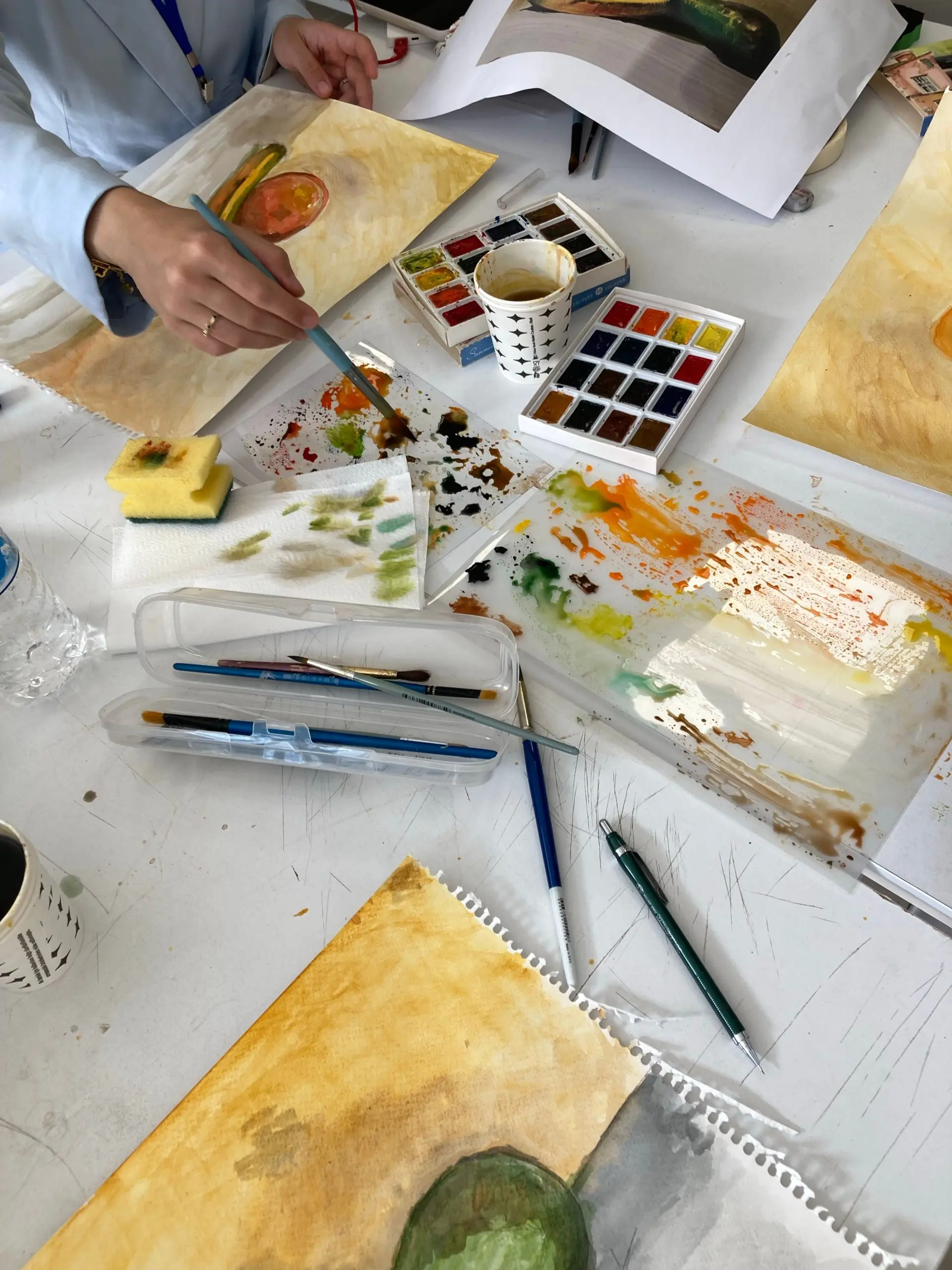

The canvas is ready when you are.
You do not have to wait until you feel ready, articulate, calm, or fully put together to reach out. If you are looking for anxiety treatment in Rochester, NY, our studios offer space for your brain, body, identity, and values, and our therapists can help you find support that fits.
Who We Support with Art Therapy for Anxiety
Our anxiety therapists support kids, teens, adults, neurodivergent clients, LGBTQIA+ folx, parents, families, and people healing from traumatic experiences. Many clients come in for anxiety treatment and realize it is also connected to family roles, identity, perfectionism, or years of trying to be acceptable to everyone else.
Anxious Kids and Teens
Anxiety in kids and teens can show up as stomachaches, school refusal, perfectionism, shutdowns, panic, irritability, avoidance, or big feelings that seem to come out of nowhere. Art therapy activities for anxiety can help young people express what they may not have words for yet, while caregiver support can help families understand what their child’s behaviors may be communicating.
Neurodivergent Adults, Including Autistic and ADHD Clients
For autistic, ADHD, AuDHD, OCD, late-diagnosed, self-diagnosed, or questioning adults, anxiety can come from masking, sensory overload, executive functioning pressure, perfectionism, transitions, or the exhaustion of making life look easier than it feels. Working with an affirming anxiety therapist can help you unmask safely, understand your needs, reduce shame, and build support that works with your brain and body.
LGBTQIA+, Trans-, and Gender-Expansive Clients
Queer, trans, nonbinary, and gender expansive folks often carry anxiety connected to family tension, coming out, safety, dysphoria, politics, religion, chosen family, medical systems, or being treated like their existence is up for debate. Here, your identity is never questioned or pushed to the side, and many of our art therapists bring shared lived experience and specialized training in LGBTQIA+ and TGNC care.
Adults Healing From Trauma, Burnout, or Emotional Neglect
Complex trauma comes from a lot of hurt over a long time, especially in relationships where you had to become useful, quiet, perfect, invisible, responsible, or easy to love. Therapy gives you a place to explore people-pleasing, hypervigilance, fear of conflict, distrust of rest, boundaries, and anxiety patterns without rushing your story..
Parents and Families Looking for Support
Parents often reach out because they are worried about their child, confused by their behavior, or exhausted from trying traditional mental health support without seeing much change. Family support may include art-making, play-based tools, IFS-informed communication strategies, emotional regulation support, and practical ways to understand what anxiety looks like in your specific home.
meet the team
Anxiety Specialists
Spotted Rabbit's Licensed Creative Arts Therapists share your lived experiences, so we don't just "get it"...we ARE it. You don't have to do it alone. Reach out to say hello, we'd love to hear from you.
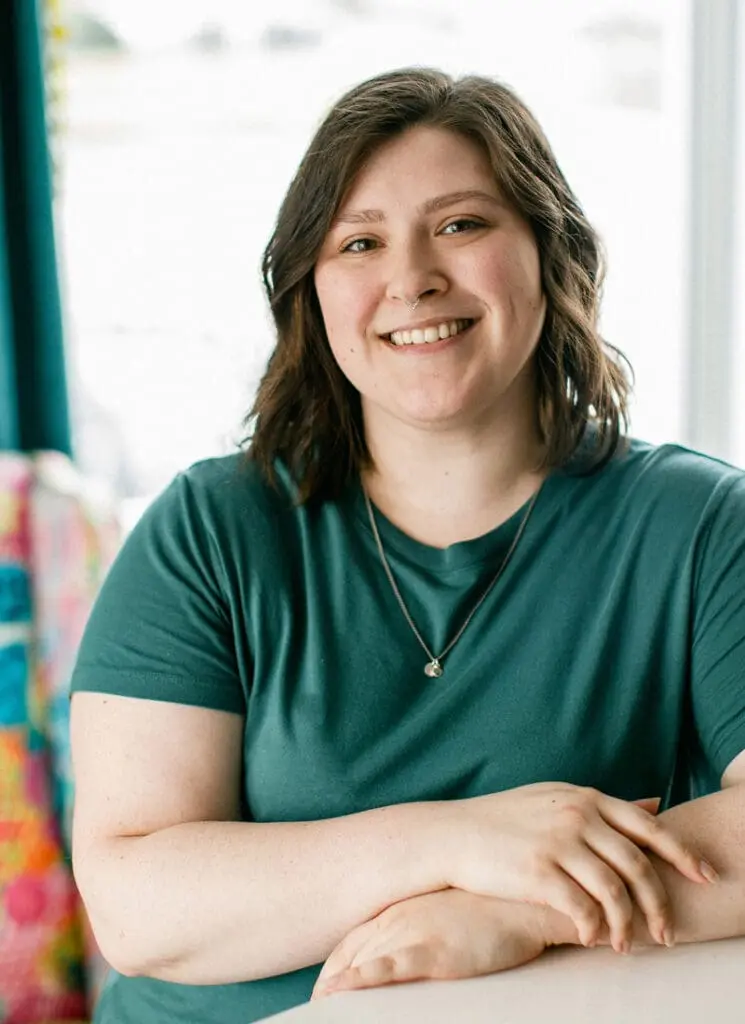
CIERA LACOUNT, LCAT
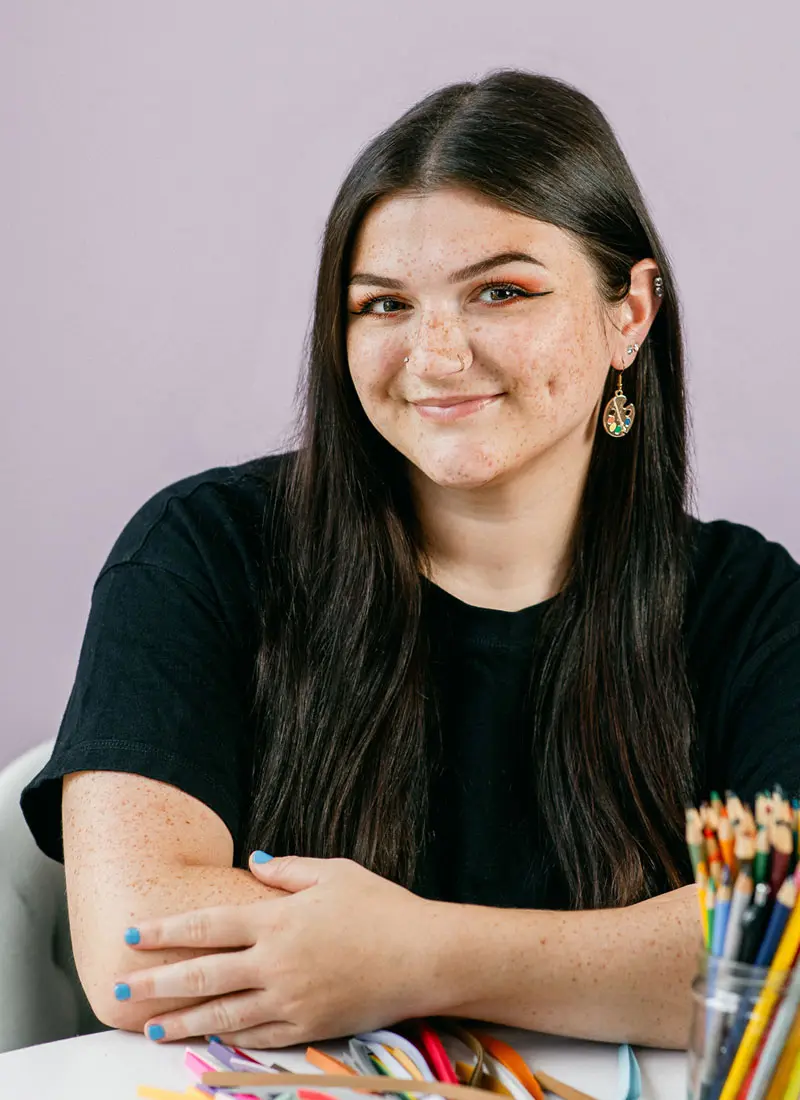
EMMA ANNABLE, LCAT-P
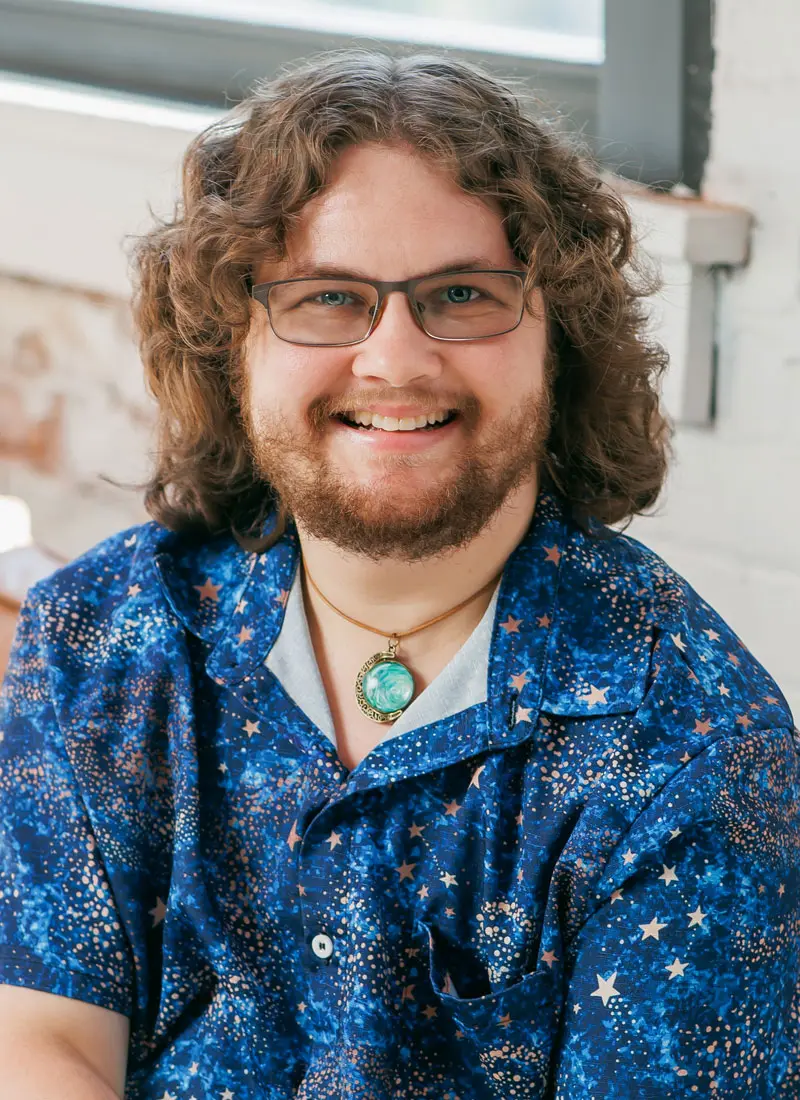
KYLE LANG, LCAT
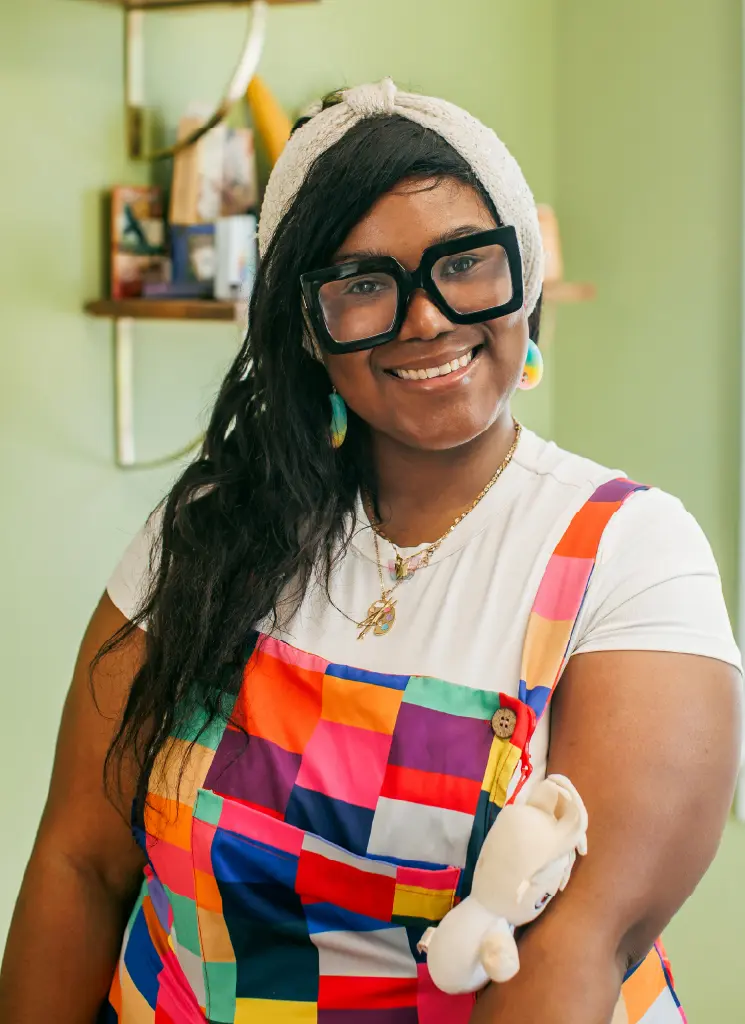
RACHEL WILSON, LCAT-P
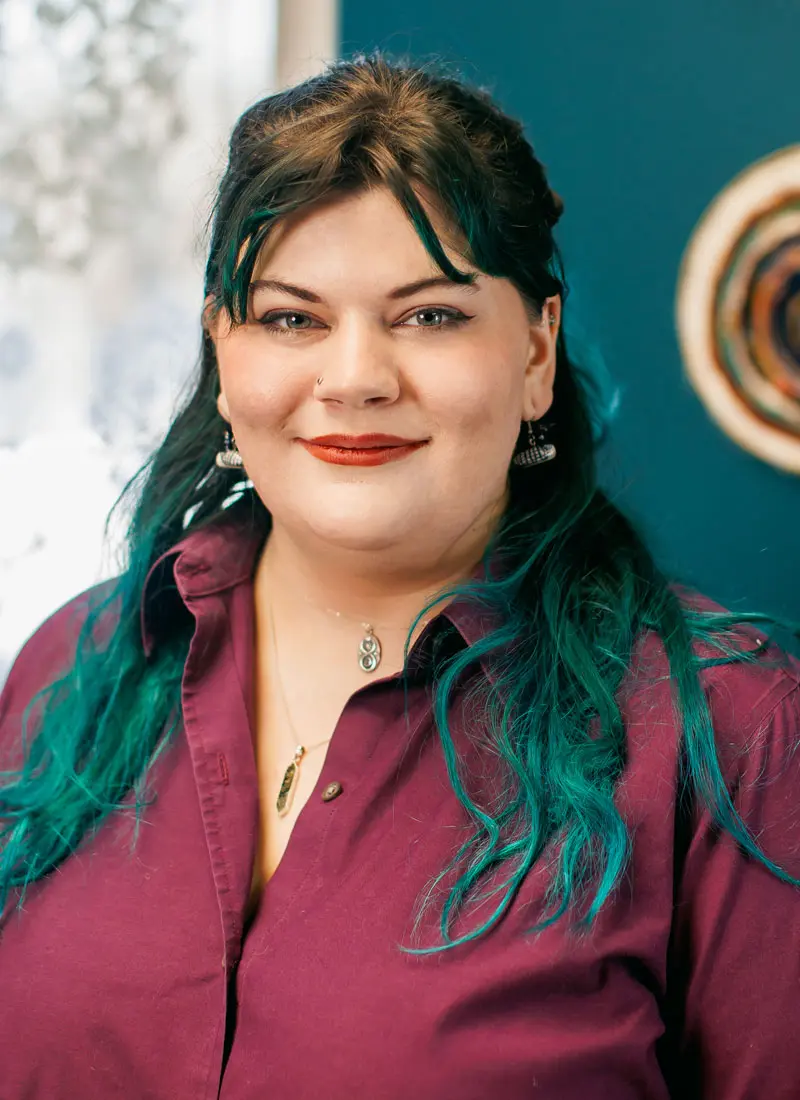
EVELYN VARLAN, LCAT-P
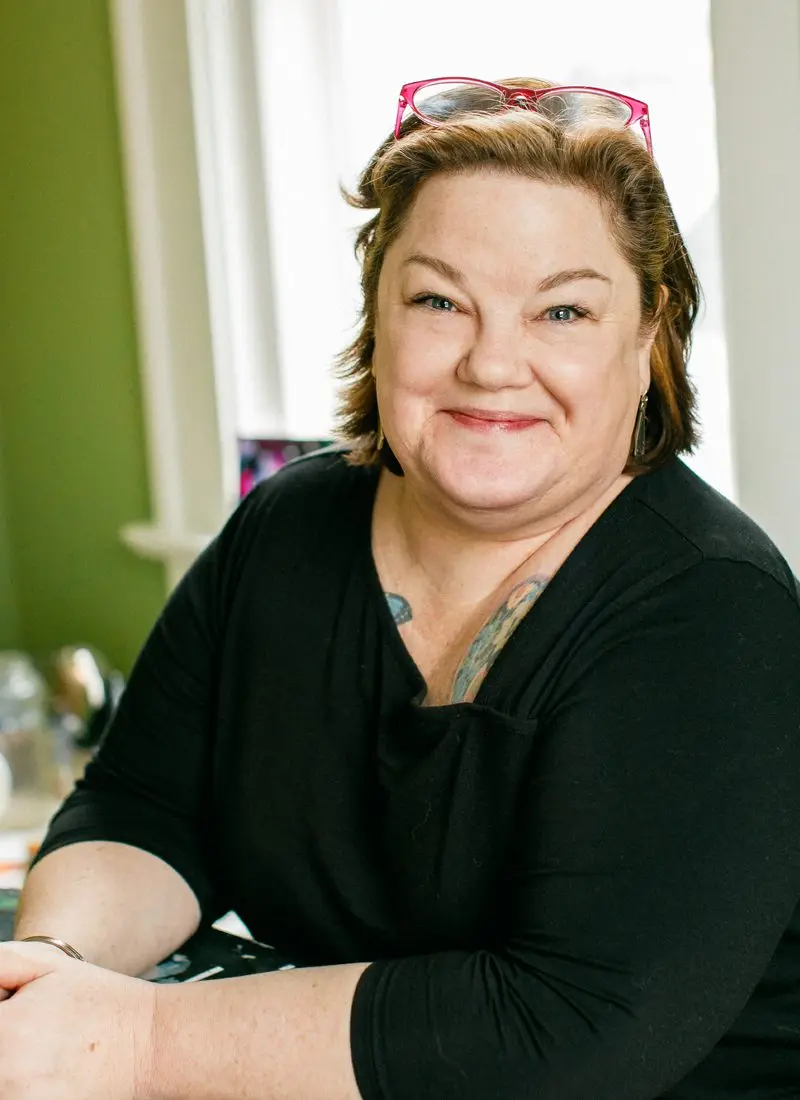
SHAWN SHANNON-MISSAL, LCAT
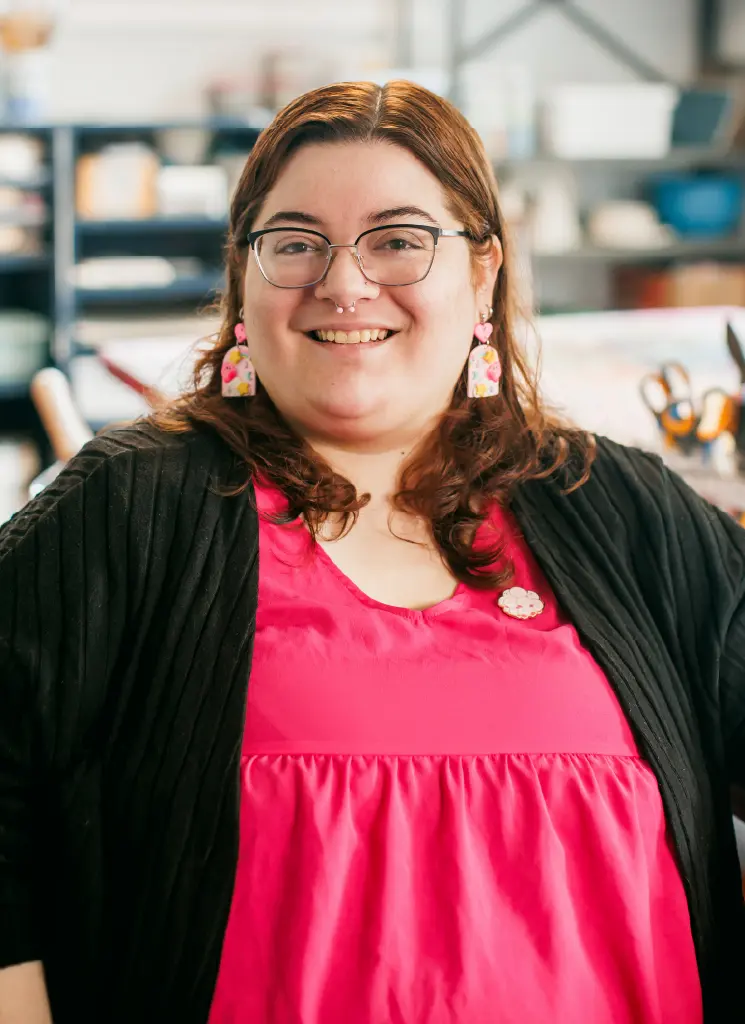
MARS REYNA, LCAT-P
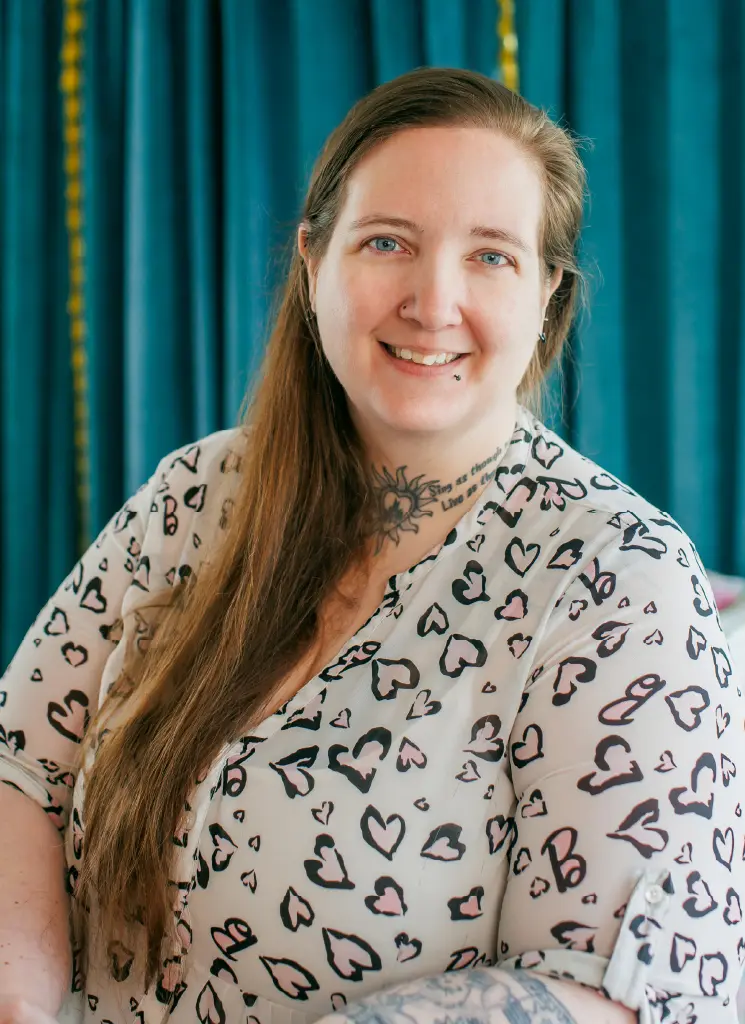
KACY MADIGAN, LCAT
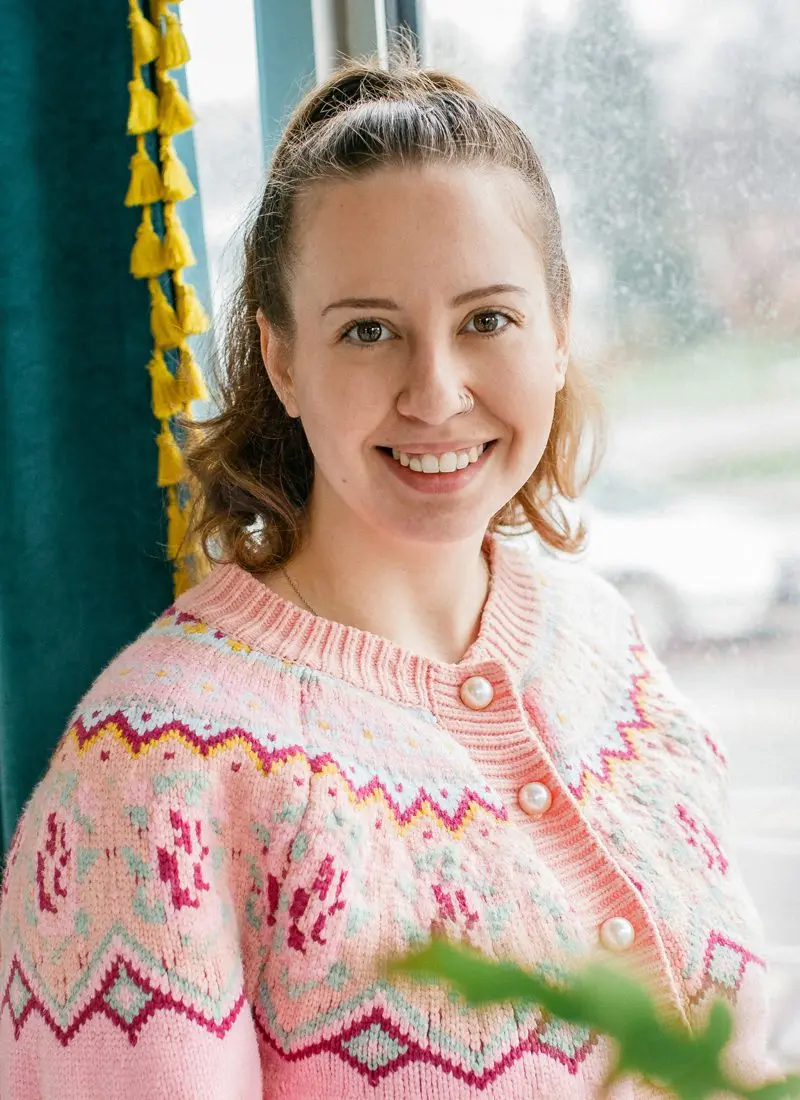
KAMYRN AARONSON, LCAT
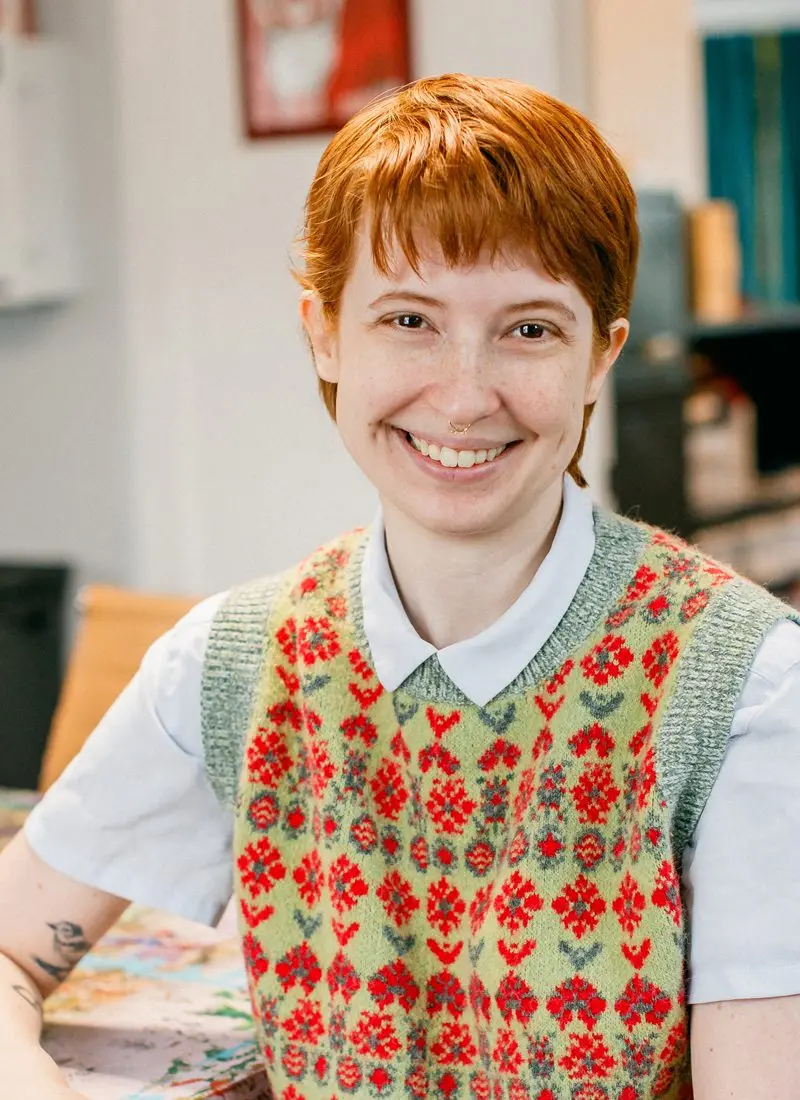
SYDNEY DLHOPOLSKY, LCAT-P
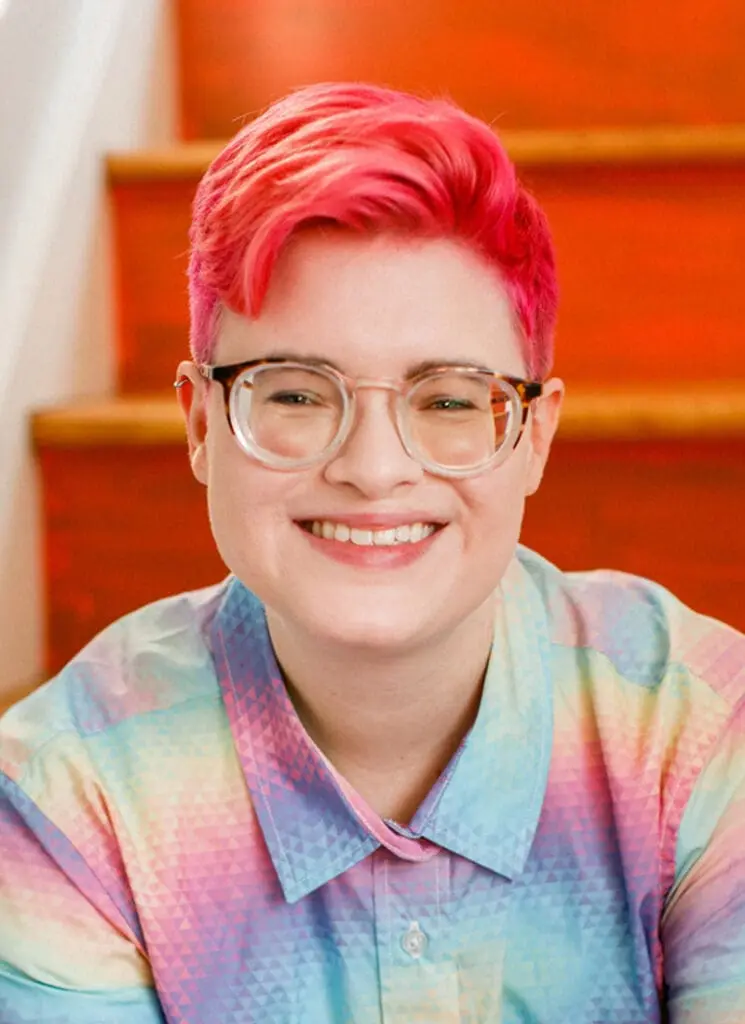
LYRAH WALLACE, LCAT
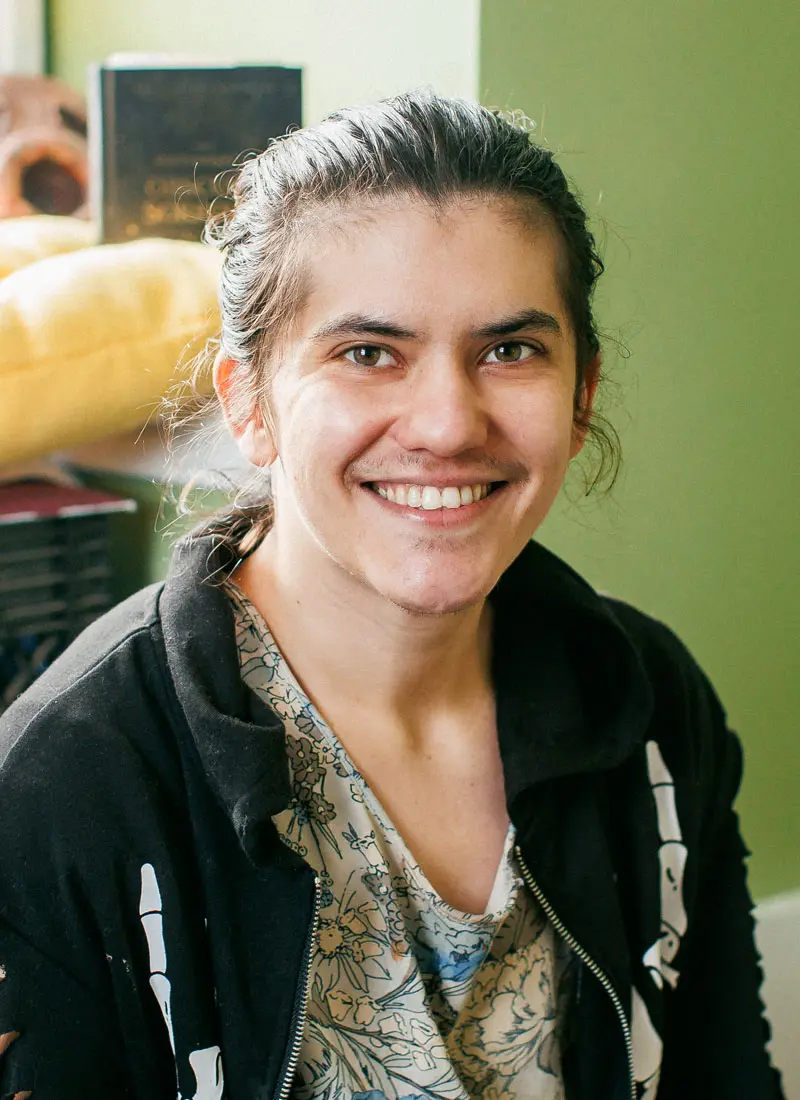
KIT SHULMAN, LCAT
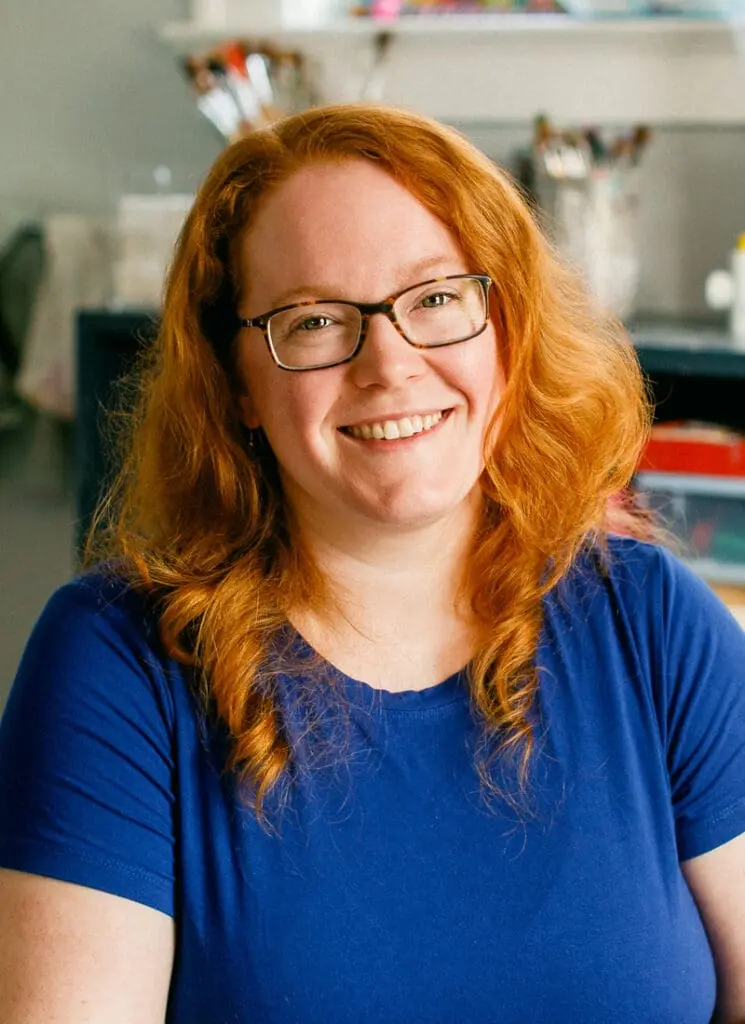
SARAH MAYNARD, LCAT
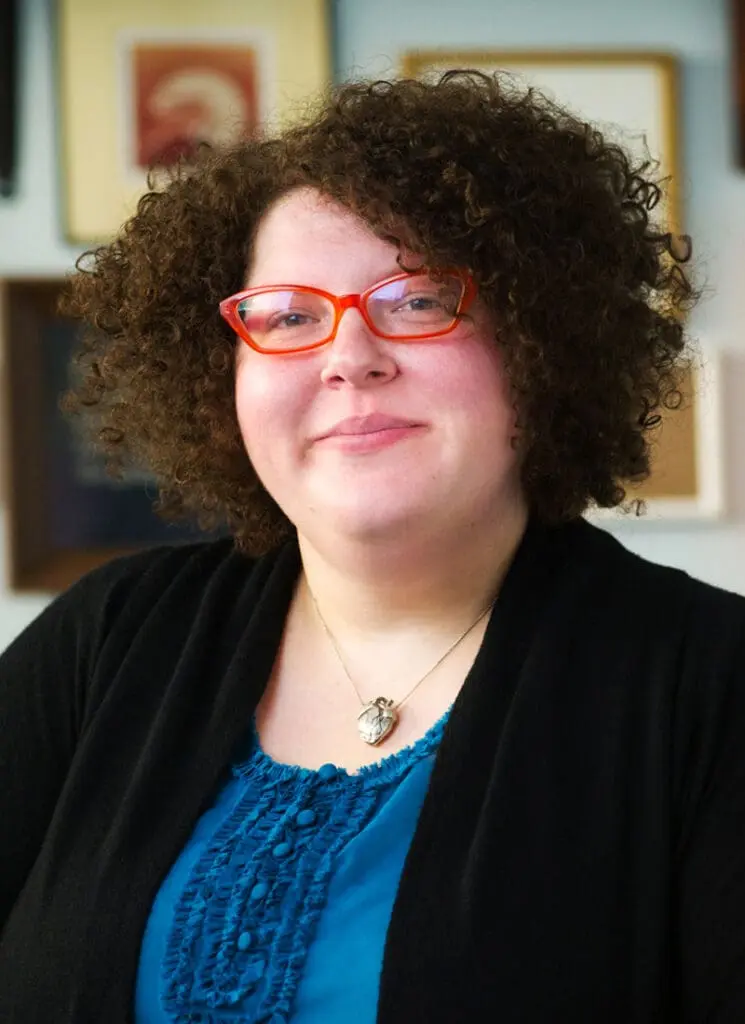
SARAH BEREN, LCAT
Anxiety Is an Everyday Experience for Many LGBTQIA+ and Neurodivergent Folx
Findings from a study published by the NIH show that LGBTQIA+ people and autistic people often face higher rates of anxiety and mental health challenges and unequal access to health and mental health care. This makes sense when daily life often requires translating, defending, or softening parts of yourself to stay safe, accepted, employed, loved, or left alone.
Our anxiety therapists specialize in LGBTQIA+- and neurodivergent-affirming care. Many of us understand these experiences not just through training, but through lived experience too. If you have spent too much of your life explaining why pronouns matter, why hiding who you are is exhausting, why being accepted is not the same as feeling safe, you do not have to start from scratch here.
Every hue of you is welcome.
When you meet with one of our anxiety therapists, your sessions are shaped around your goals, your pace, and what feels accessible to your nervous system. Some people come in wanting tools right away, while others need space to finally say things out loud. You might talk the whole session, make art the whole session, or move between conversation, grounding, reflection, and creative expression.
Spotted Rabbit Creative Arts Therapy is Not Your Average Therapy Clinic...
...This is not a blank-wall clinic where you have to shrink, explain, or polish yourself to be taken seriously. This is therapy for people whose anxiety is tangled up with trauma, dysphoria, family patterns, people-pleasing, chronic stress, or trying to survive in systems that were not built with them in mind.
Our anxiety therapists bring creative arts therapy, trauma-informed care, LGBTQIA+ and neurodivergent affirming support, and real human collaboration into the room. You do not have to separate your anxiety from your identity, your body, your history, or the world you are living in.
A Studio Space, Not a Sterile Clinic
Therapy here can feel more like sitting in a creative studio than being assessed under fluorescent lights. Sessions may include talking, drawing, collage, clay, movement, visual journaling, grounding, sensory support, or simply having a real conversation with someone who is not asking you to perform being okay. The creative process is not about talent. It is about giving your nervous system another way to express what you have experienced.
Affirming Care Without the 101 Lesson
You should not have to spend half of therapy explaining pronouns, masking, sensory needs, chosen family, dysphoria, late diagnosis, or why “accepted” is not the same as safe. Our therapists specialize in LGBTQIA+ and neurodivergent affirming care, and many bring shared lived experience into the work. That means we can get to the real work sooner, with less translating and more being believed.
Real Help for the Life You Actually Have
We are not here to help you become more convenient for everyone else. We help you understand what your anxiety is protecting, what your body has been carrying, and what support would actually fit your brain, identity, values, and daily life. Therapy can include boundaries, grounding tools, nervous system support, creative expression, values work, self-advocacy, and practical ways to stop abandoning yourself just to get through the day.
What Sessions With a Counselor for Anxiety Can Look Like
Talking, Art-Making, or Both
Therapy does not have to look one specific way. Some sessions may focus on conversation, while others may include drawing, collage, clay, body mapping, color mapping, visual journaling, or movement. Your therapist will collaborate with you, not force you into activities that do not feel useful or safe.
Practical Support You Can Use Outside of Therapy
Therapy can also help you practice support you can use between sessions, including grounding tools, boundary language, communication scripts, visual reminders, coping plans, values-based decisions, and ways to notice early signs of burnout.

Therapy Through Creativity.
We have an amazing group of licensed art therapists offering creative, trauma-informed, LGBTQIA+- and neurodivergent-affirming care for anxiety, autism, ADHD, complex trauma, gender affirming care, emotional neglect, burnout and identity exploration. Depending on your therapist and goals, sessions may draw from art therapy, expressive arts therapy, ACT, CBT, attachment-based therapy, IFS-informed parts work, somatic practices, mindfulness, narrative therapy, person-centered therapy, and trauma-focused care, always adapted to the person in front of us rather than applied like a script. When you reach out, we can help connect you with an anxiety therapist whose approach, availability, and specialties fit what you are looking for.
Art Therapy Activities for Anxiety That We Use in Session
Art therapy activities for anxiety are chosen based on you, not pulled from a one-size-fits-all worksheet.
Your therapist may suggest an activity based on your comfort, sensory needs, age, goals, and what your nervous system can access that day. There is NO pressure to make "perfect" art in any of your sessions.

Body-Mapping
Body-mapping can help you notice where anxiety shows up physically. You might use color, lines, symbols, or texture to show where worry, panic, tension, numbness, or shutdown lives in your body. This can help show the best way to support you.
Color-Mapping
Color-mapping can help you track different anxiety states, such as worry, panic, shutdown, anger, grief, or calm. This can create a shared language with your therapist when words feel hard to find. This is one of the ways that art therapy can bring out the real you.
Collage
Collage can help you explore boundaries, values, identity, relationships, and what you are ready to stop carrying. It can be especially helpful when anxiety is tied to people-pleasing, masking, or trying to organize your life around everyone else’s comfort.
Visual Journaling
Visual journaling gives overthinking somewhere to go between sessions. It might include words, images, symbols, lists, sketches, colors, or mixed media that help you notice patterns and make sense of what your mind keeps circling.
Clay and Sensory Materials
Clay, paper, paint, markers, fiber, or other sensory materials can help bring attention back to the present moment. For people with panic, sensory overwhelm, dissociation, or shutdown, working with texture can offer grounding when talking alone is not enough.
Brighton Studio:
Where It All Started
Our Brighton studio offers a creative, welcoming space for clients who want in-person anxiety treatment in Rochester, NY, in a setting that feels calm, affirming, and approachable. Sessions may include talking, art-making, sensory materials, grounding tools, or quiet reflection, depending on what feels useful to you that day. This location is a good fit if you want therapy close to Rochester in a studio environment that feels less like a clinic and more like a place where you can exhale, unmask, and get curious about what your anxiety has been carrying.
Pittsford & Henrietta Studios:
With Room to Settle In
Our Pittsford & Henrietta studios offer another in-person option in a warm, creative space. Like our Brighton location, sessions are shaped around your goals, comfort, and therapist fit. You might use this space for talk therapy, creative arts therapy, anxiety and art therapy, grounding work, or practical support with boundaries, panic, and daily stress. The goal is to give you a therapy space where you do not have to perform being okay.
Online Therapy From a Space That Feels Safe to You
Telehealth can be a helpful option if travel is difficult, your schedule is tight, you are managing chronic illness or disability, or you simply feel more regulated starting therapy from your own space. Online therapy can still include creative support. You may use materials you already have nearby, like paper, pens, markers, collage materials, clay, fabric, or everyday objects. Your chosen counselor can adapt the session to your space, access needs, and comfort level.
FAQs About Anxiety Therapy
COMMON QUESTIONS WE HEAR
Do I Need to Be Good at Art to Try Art Therapy?
No. You do not need to be good at art to try art therapy activities for anxiety, and you don’t need training, talent, or confidence with creative materials. Working with one of our counselors for anxiety is about expression, curiosity, regulation, and insight.
How Many Therapy Sessions Will I Need for Anxiety?
The number of sessions with a counselor for anxiety depends on your needs, goals, history, symptoms, and what kind of support you want. Some clients come to therapy for focused support around a specific anxiety concern, while others prefer longer-term work.
Can Art Therapy Help With Panic Attacks or Social Anxiety?
Anxiety treatment in Rochester, NY, in our studio can support people dealing with panic attacks, social anxiety, constant worry, and body-based anxiety symptoms. Creative work can help you notice what anxiety feels like, externalize overwhelming thoughts, practice grounding, and express feelings that may be difficult to put into words.
Which Anxiety Symptoms Can Art Therapy Help Manage?
Art therapy activities for anxiety may help support symptoms such as racing thoughts, panic, overthinking, avoidance, irritability, shutdown, social anxiety, perfectionism, people-pleasing, emotional overwhelm, body tension, and stress connected to trauma or neurodivergence.
Why Choose Creative Expression as Part of Anxiety Treatment?
Creative expression can help because anxiety is often bigger than words. Through art therapy interventions for anxiety, you can externalize worry, track nervous system cues, practice grounding, explore boundaries, process trauma gently, and reconnect with parts of yourself that anxiety has been crowding out.

Work With a Counselor for Anxiety, In Person or Online
Reaching out for therapy can feel like one more thing to figure out, especially when anxiety is already telling you to wait, overthink, or make sure you say it perfectly. You do not need a polished message, a clear diagnosis, or the full story ready to go. A small first step is enough. You can simply say you are looking for a change and want to know what support is available. Call Spotted Rabbit Creative Arts Therapy at 585-430-9877 or email info@spottedrabbitstudio.com to ask about working with an anxiety therapist in Rochester (Brighton, Pittsford, Henrietta), or online across New York.
Here, you can get anxiety treatment in Rochester, NY, that you can access in three studio spaces and online across New York. Each option is designed to feel more human than clinical, with room for conversation, art-making, grounding, and whatever pace helps your nervous system feel more settled.