
ASSOCIATE art therapisT
Rachel Wilson, MS (she/they)
• Neurodivergence
• Complex Trauma
• Emotion Regulation
• Identity Exploration
• Peer Relationships
• Social Anxiety
• Perfectionism
• Children & Adolescents
Coming soon to our Greece location
Openings currently available
$100 self-pay rate
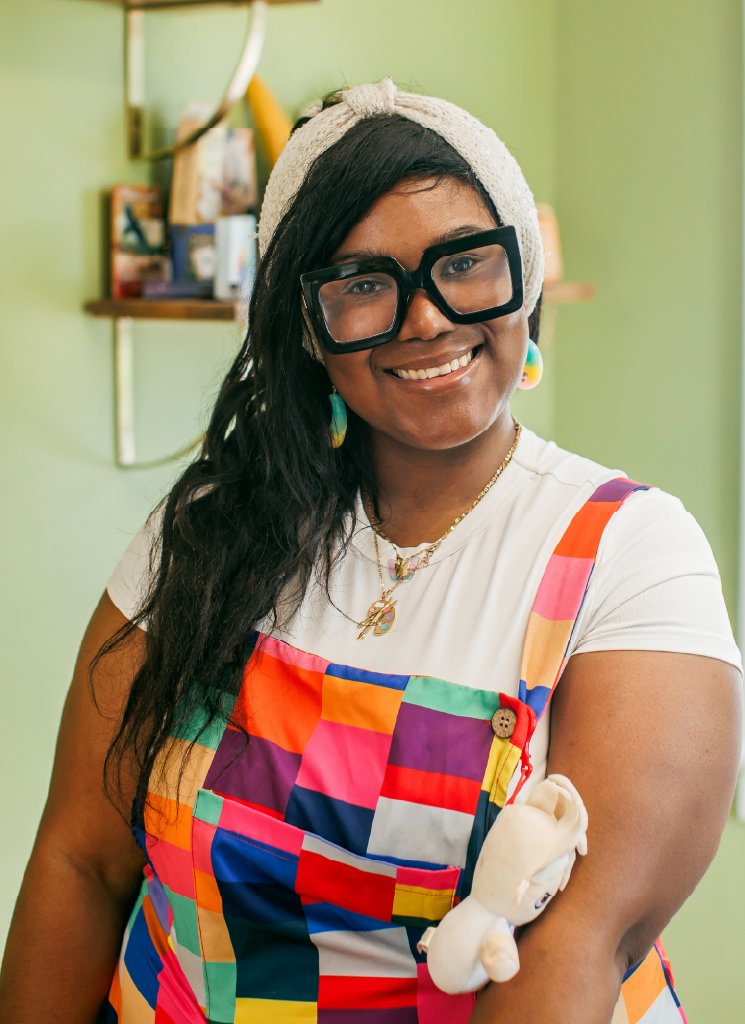
Growing up can feel overwhelming, especially when emotions are big, words are hard to find, or it feels like no one really understands what you’re going through. If you’re a child, teen, or young adult struggling with anxiety, identity, anger, self-esteem, or feeling different from others, therapy with me is a place where you don’t have to have it all figured out. Where you can show up exactly as you are – messy feelings, quiet moments, big emotions, and all.
I offer a different kind of therapy than what you may have tried before. I aim to create a warm, creative, and accepting space, not only with my office decor, but also in my approach. Trauma-informed care, rooted in building trust and creating a safe, supportive, and nonjudgmental environment where you can feel comfortable expressing yourself at your own pace, is central to our work together. I take a client-led approach, meaning I meet clients where they are emotionally and creatively, while still offering structure and therapeutic prompts that land within your window of tolerance. Many folks, especially youth, those who are neurodivergent, and those who have experienced trauma, may struggle to fully explain emotions verbally, so I prioritize helping you feel understood before expecting you to open up deeply.
I integrate creative expression with a range of other therapeutic approaches that vary depending on your personal needs and interests. Humanistic therapy helps you feel accepted, valued, and empowered while encouraging self-growth and self-understanding. Jungian concepts can help you explore identity, emotions, symbols, imagination, and unconscious themes through creativity and storytelling. I also incorporate play therapy techniques to support emotional expression, regulation, and communication in developmentally appropriate ways. Art making can help you externalize emotions that may feel confusing, overwhelming, or difficult to put into words.
I especially enjoy working with clients who connect through imagination, storytelling, anime, gaming, cosplay, and fantasy worlds as a way of understanding themselves and expressing what’s going on inside. I am also continuing to deepen my clinical focus in Acceptance and Commitment Therapy (ACT), which aligns with my interest in helping you build emotional flexibility, values-based living, and meaningful engagement with your inner experiences. By using approaches that match where you are at and where you are headed, interventions can also help you strengthen emotional regulation, confidence, self-expression, and problem-solving skills while making therapy feel engaging and approachable rather than intimidating. At the end of the day, therapy with me is not about “fixing” who you are, it’s about helping you understand yourself more deeply, build coping tools that actually work for you, and feel more connected to who you are becoming.
“Healing is not about becoming someone new. It is remembering who you were before the world asked you to shrink.”
Octavia Govender
Get To Know Rachel!
Education & Training
I graduated in 2026 with an MS in art therapy from Nazareth University. My education has centered on the use of art as a therapeutic modality to support emotional expression, identity development, and psychological well-being across diverse populations.
My clinical training has emphasized trauma-informed, relational, and client-centered approaches, with a strong focus on creating safe and supportive environments where clients can explore thoughts and emotions through creative processes.
CLIENT FOCUS
I work with children, adolescents, and adults from a wide range of backgrounds, identities, and life experiences, including neurodivergent individuals (autism and ADHD) and those navigating anxiety, depression, identity concerns, emotional regulation challenges, and life transitions. I am especially drawn to supporting clients who may feel misunderstood, overwhelmed, or disconnected, and who benefit from creative and expressive approaches to therapy.
Therapeutic approaches
My therapeutic approach is grounded in the knowledge that creative expression is a pathway for emotional exploration, regulation, and healing. I integrate humanistic and client-centered principles to ensure each client feels seen, respected, and actively involved in their own therapeutic process. I also draw from Jungian-informed ideas, particularly around symbolism, imagination, and identity exploration through creative work. I work from a trauma-informed and strengths-based lens, focusing on emotional safety, regulation skills, and building on each client’s existing strengths and coping abilities. In sessions, I integrate art-making, play-based interventions, and talk therapy in a flexible, developmentally responsive way that meets clients where they are.
I am also continuing to deepen my training and clinical focus in play therapy and Acceptance and Commitment Therapy (ACT), which align with my interest in helping clients build emotional flexibility, values-based living, and meaningful engagement with their inner experiences. These approaches complement my work by expanding how I support clients in expressing emotions, developing coping strategies, and connecting with what matters most to them. What makes my approach unique is my emphasis on creativity, imagination, and identity exploration as central parts of the therapeutic process. I use drawing, painting, storytelling, character creation, and symbolic work to help clients access experiences that may be difficult to verbalize, making therapy feel engaging, collaborative, and personally meaningful, especially for children and teens who connect through creativity and play.
areas of specialization
I am especially drawn to working with children, teens, and adults who feel misunderstood and struggle to express their inner world. Those I work with tend to have difficulty with regulating emotions and self-soothing, struggle with socially acceptable expressions of anger and frustration tolerance, have a negative view of themselves, and feel alone. Common diagnoses include anxiety, social anxiety, autism, ADHD, and self-harm and/or suicidal ideation.
What does a session with you look like?
Sessions with me are collaborative, flexible, and creative, and are shaped by each client’s needs, energy, and comfort level that day. I take a client-led approach, meaning clients are always supported in having choice and voice in the process, while I may also offer gentle structure, prompts, or directives when helpful. Sessions may include open-ended art making, guided art directives, play-based interventions, storytelling, or conversation to help process thoughts and emotions. Clients might engage in drawing, painting, collage, character creation, symbolic art, or imaginative and narrative-based play to explore feelings, identity, and lived experiences in a way that feels natural and accessible. My personality tends to bring a warm, calm, and creative energy into the room. I aim to create a space that feels safe, welcoming, and nonjudgmental, where clients can show up as they are without pressure to perform or have the “right” words. I balance being supportive and grounding with encouraging exploration, curiosity, and creativity, so therapy can feel both emotionally safe and engaging.
How do I know if we’re a good fit?
Therapy is a process, and the timeline for change can vary depending on each client’s needs, goals, and circumstances. Some clients begin to notice small shifts within the first few sessions, such as feeling more comfortable expressing themselves in therapy, feeling understood by the therapist, or having a clearer sense of their emotions. Deeper, longer-lasting change often develops over time through consistent engagement in the therapeutic process. As therapy progresses, clients may begin to experience increased emotional awareness and regulation, improved coping skills, and a stronger ability to express thoughts and feelings in healthier ways outside of the therapy space.
Many clients also notice feeling less overwhelmed by emotions, more confident in their identity, and more able to navigate relationships and social situations. Behaviorally, this may look like improved frustration tolerance, fewer emotional outbursts or shutdowns, increased willingness to communicate needs, and greater use of coping strategies outside of sessions. Clients may also feel more grounded, more self-accepting, and more capable of handling challenges with flexibility and support.
Our Blog

Finding the Right LGBTQIA+ Counselor in Rochester
Finding an LGBTQIA+ counselor in Rochester can get frustrating fast when every therapy website starts to sound the same. “Inclusive,” “safe,” and “welcoming” are good words, but they do not always…
Art Therapy Exercises for Trauma & the Signs That Trauma Art Therapy May Be Right for You
Understanding Art Therapy Exercises for Trauma and How Creative Healing Works Trauma can leave you with feelings that are difficult to explain. You may sense that something inside you hurts or feels…

7 Things to Consider When Opening Up Your Relationship (Rochester Edition)
How Do I Know if i’m ready to open up my relationship? Opening a relationship refers to changing the relationship structure from exclusivity between two parties (i.e. monogamy), to consensually…