
Licensed art therapist, Director
Sarah Beren, LCAT (she/her)
- Complex Trauma
- Emotional Neglect
- Mother Wound
- Chronic Pain & Illness
- Binge Eating
- Neurodivergence
- Self-Regulation
Not currently accepting new clients;
please check out our other therapists!
$125 self-pay rate
In-network with MVP
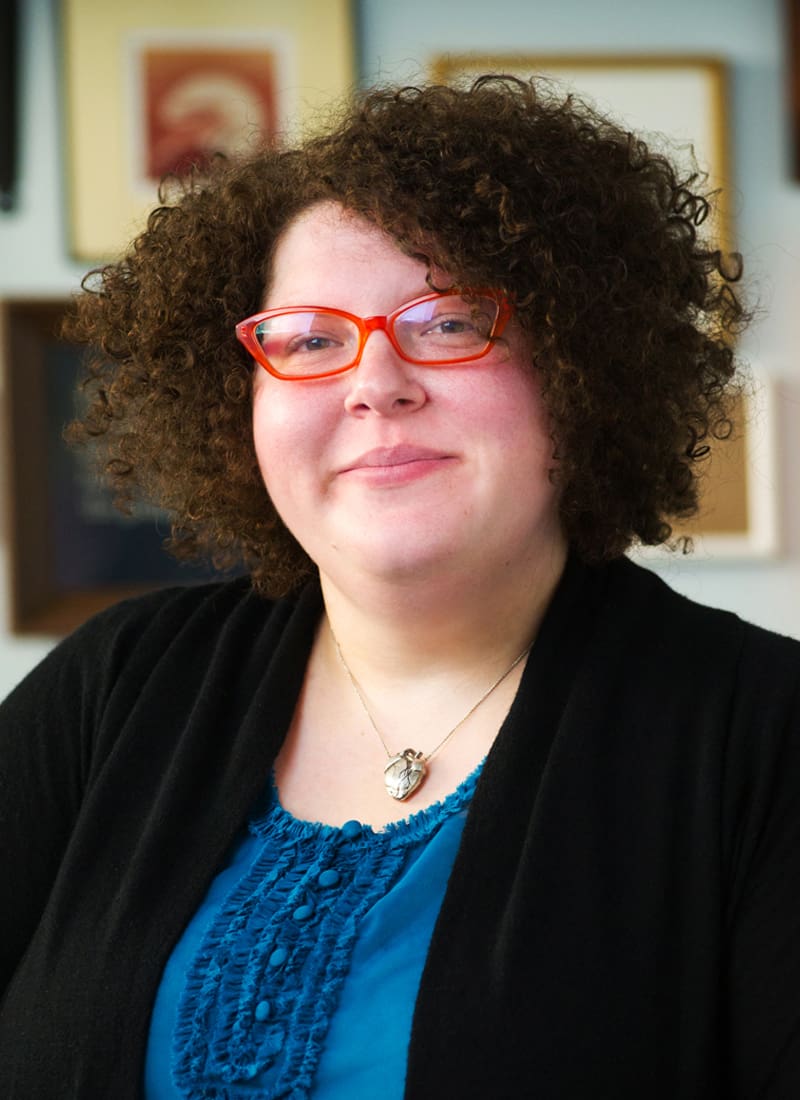
We all want to love, be loved, do something meaningful, and have purpose in our lives, yet all too often, prior relationships and life experiences have left us with coping skills that are unhealthy, ineffective, or just downright baffling. As a therapist, I am experienced in working with adults who have a history of childhood emotional abuse and/or neglect. Those I work with often find that they have difficulty with relationships, struggle to relax, and wish they were in more control of their lives.
My therapeutic philosophy is built on long-term relief of your suffering. Through the processing of past experiences, I help clients make sense of their current behaviors, thoughts, and emotions, enabling them to be more effective in their relationships with others and feel more in control of their lives. Unfortunately, I cannot make the difficult emotions go away, but by using art therapy approaches, somatic practices, and acceptance and commitment therapy (ACT), we can develop effective strategies to lessen the intensity and frequency of these experiences while increasing satisfaction in other areas of your life. Many clients also struggle with disordered eating as a result of trauma. I approach food-related issues with an intuitive eating philosophy that’s grounded in the belief that our body knows how to nourish itself and that we often overeat or restrict in an effort to meet needs entirely unrelated to hunger. I am committed to a values-based approach and believe strongly that developing meaning and purpose in your life is a necessity for overall well-being.
"The circumstances of our lives actually matter less to our happiness than the sense of control we feel over our lives."
R. sutherland
Get To Know Sarah!
Education & Training
I have a BS in Art Education and an MS in Creative Arts therapy, both from Nazareth College. I’m licensed as a creative arts therapist in NYS and have been practicing arts-based psychotherapy since 2012.
I have completed trainings with some of the top trauma-informed practitioners of our time, including Richard Schwartz, founder of IFS, Deb Dana, expert in polyvagal theory, and Janina Fisher, developer of TIST and expert in somatic and neurobiological approaches for trauma.
I have over 18 years of experience working with adults with I/DD in various capacities and spent my early career as an art therapist focused on the treatment of eating disorders, especially binge eating disorder.
client focus
I work with a wide range of adult clients. Many of the folks I work with seek out art therapy to work on goals related to quality of life and independence; art making is a great way to work on executive functioning skills while still having fun. I also see several clients who have been in and out of therapy most of their lives but feel like they still aren’t where they’d like to be. My clients value my directness and ability to call attention to longstanding patterns of interactions that keep them “stuck”. I enjoy working with clients who are looking to get out of their heads and actually process through their experiences and emotions somatically.
Therapeutic approaches
As a therapist, I utilize action-oriented, trauma-informed, and neurobiology-based practices as the basis of my work with clients. Some of the therapeutic modalities I draw from the most include somatic practices, Acceptance and Commitment Therapy (ACT), and Internal Family Systems (IFS). These approaches normalize trauma symptoms as biological survival strategies, focus on sitting with emotions rather than trying to eliminate them, and give the client agency in how to take steps toward healing. Additionally I pull from feminist and multicultural therapy to help clients explore the wide range of forces that have shaped their environment, their relationships, and their sense of self.
areas of specialization
I find that no matter what brings clients to therapy, childhood emotional neglect (CEN) is often at the root of it. The lack of attuned caregiving has a long-lasting impact, leading to adults who have difficulty setting boundaries with others, are overly negative and harsh towards themselves, and often feel emotions intensely.
My other specialties stem from my own lived experiences as someone who is neurodivergent, disabled, and fat. I work with adults who are late-diagnosed autistic or ADHD, helping them uncover and appreciate their authentic selves. Because of personal experience, I offer clients who have chronic pain a unique perspective, especially if they are struggling to discover a diagnosis or be taken seriously by medical professionals. I have extensive experience with hEDS, POTs, MCAS, fibro, CF/ME, and long COVID. Lastly, folks who are struggling with their weight and body image are some of my favorite clients to work with. I am a proponent of intuitive eating and HAES philosophies, which focus on understanding the biological impact on body size and shape, challenging the damaging beliefs formed by diet culture, and living a life aligned with your values.
What does a session with you look like?
In the first few sessions, I will gather information about what brought the client to therapy, as well as have them engage in art-making directives focused on strengthening rapport. Once established, I’ll typically start sessions by offering an art therapy directive based on what was discussed last time, and then the client will lead by initiating a conversation about whatever topic is most important to them that day. Unlike many therapists you see in the media, I talk a lot. One of my strengths is being able to point out patterns in how clients think and take action, and also in their relationships. I love helping clients break down vague and complex therapeutic strategies into small, concrete steps that neurodivergent and traumatized minds can understand and take action on.
How do I know if we're a good fit?
Therapy is an extremely intimate experience, and finding a person who is a good fit is critical. During the first few sessions, I’ll discuss with clients what they would like to work on, but also what kind of approach they’re looking for. If clients find that I’m making connections that feel authentic and offering feedback that seems doable, then it’s likely worth continuing. Overall, I believe collaboration is key to effective therapy. I fully encourage clients to advocate for what they need--within sessions and from me as their therapist.
I mostly focus on long-term therapy with clients, often for years. I don’t just want to help clients feel better; I want to actually get to the heart of the deep, unresolved trauma that is controlling every aspect of their life. Trauma work takes time, but early signs that therapy is effective include opening up more about difficult emotions and experiences, feeling heard and validated by the therapist, and noticing small shifts in self-talk.