
Understanding Art Therapy Exercises for Trauma and How Creative Healing Works
Trauma can leave you with feelings that are difficult to explain. You may sense that something inside you hurts or feels unsettled, yet when you try to describe it, the words disappear or feel too sharp to touch. Trauma lives in sensations, images, and emotions long before it becomes something you can easily talk about.
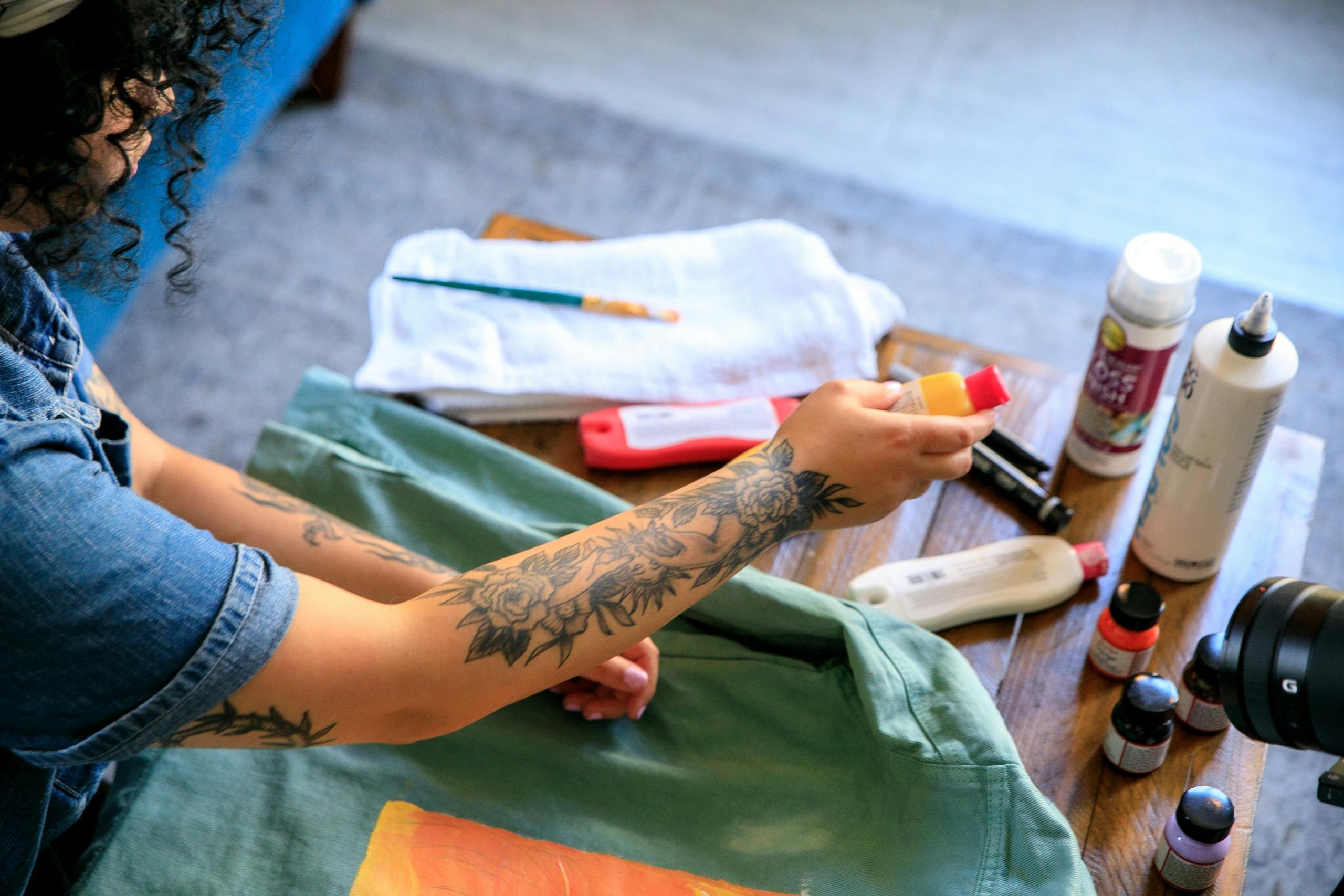
Art therapy exercises for trauma provide another pathway for expression when language about your experience feels limited. Instead of forcing yourself to explain everything through conversation, art allows your experiences to also take shape through color, texture, and movement. The creative process gives emotions somewhere to land outside of yourself, which can make overwhelming feelings feel more manageable and less isolating.
You do not need artistic training or special skills for art therapy exercises for trauma to work for you. The goal is not to create something beautiful or impressive. The focus is on the process of exploring your inner world through creative expression, not creating “perfect” art. Even simple shapes, lines, or colors can reveal emotions that have been difficult to access through words.
Here at Spotted Rabbit Creative Arts Therapy, we understand the power that art therapy exercises for trauma have to support emotional healing and self-awareness. We are excited to share some quick, accessible art therapy activities for trauma you can do at home, and some tips on knowing when it’s time to come in and practice art therapy for trauma with one of our art therapists.
Key Takeaways
- Art therapy helps trauma move through the body when words feel impossible. Research from the American Art Therapy Association consistently shows that creative expression can help regulate your nervous system and reduce trauma symptoms by giving your emotions an outlet.
- Trauma lives in the nervous system, not just in memories. Trauma affects brain areas tied to language, which is one reason art therapy can help people process experiences that feel difficult to explain.
- Creative activities can gently reconnect you with your emotions. Even simple art therapy exercises at home can help people notice feelings, release tension, and practice self-compassion.
- You do not need to be an artist to benefit from art therapy. The healing happens through the process of making art, not the quality of the final piece.
- Working with a trained art therapist can deepen healing. Professional guidance helps ensure the work stays grounded, safe, and supportive when trauma memories begin to surface.
What Is Trauma-Informed Expressive Arts Therapy?
Trauma-informed expressive arts therapy is a therapeutic approach that uses creativity to support emotional healing and nervous system regulation. Rather than relying entirely on conversation, this method integrates visual art, movement, storytelling, and other creative processes to help folx explore experiences that may be difficult to describe with words alone.
When a person experiences trauma, the nervous system learns to stay alert for danger even after the threat has passed. This heightened state of awareness can make it difficult to relax, trust others, or feel present in everyday life. Trauma-informed expressive arts therapy recognizes these patterns and works gently with the body’s responses rather than pushing someone to relive painful experiences too quickly.
Art therapy exercises for trauma help engage sensory and emotional areas of the brain that are closely connected to trauma memories. Drawing, painting, or shaping materials with your hands can help your mind and body process emotions in a way that feels safer and more gradual than conversation alone.
"Art can permeate the very deepest part of us, where no words exist."
EILEEN MILLER
How Art Therapy Activities Support Healing from Trauma
Many forms of creative expression can be used within trauma-informed expressive arts therapy. Drawing allows people to translate complex emotions into visual images that feel easier to explore. Painting can provide a physical outlet for tension through color and movement. Collage creation encourages curiosity and discovery as different images come together to form meaning. Sculpting with clay or other materials can help reconnect someone with their body through touch and texture.
These approaches help emotions surface slowly and safely. Instead of needing to explain everything immediately, the creative process itself becomes part of the healing conversation. For many people, exploring art therapy activities for trauma at home can be a gentle first step toward understanding how creativity supports emotional healing.
How Art Therapy Activities for Trauma Help the Nervous System Heal
Trauma affects more than memory. It also influences how the nervous system responds to stress, safety, and connection. When someone experiences overwhelming events, the body remains in a protective state long after the danger has passed. Although this activation or shutdown helps you to survive the trauma, long-term nervous system involvement can negatively impact our relationships, our ability to manage our emotions, and also our overall functioning.
Art therapy activities for trauma work with the nervous system by engaging sensory experiences such as movement, color, texture, and rhythm. These elements activate areas of the brain that support emotional regulation and creative problem-solving, as well as help our body recognize the threat is gone.
Art Therapy Activities for Trauma You Can Try at Home
Creative activities can offer simple ways to begin exploring your emotions outside of a therapy session. These art therapy exercises for trauma are designed to support emotional awareness, nervous system regulation, and self-compassion. Basic materials such as paper, markers, colored pencils, or paint are usually enough to begin.
The Safe Place Drawing
One helpful exercise involves creating a visual representation of a place where your body feels calm and protected. This location might be a real memory, an imaginary landscape, or a combination of both. As you draw or paint the environment, focus on the colors, textures, and elements that make the space feel peaceful.
Many people find that this exercise becomes a grounding tool they can return to when stress or emotional overwhelm appears. Looking at or recreating the image mentally can help remind your nervous system what safety feels like.
TIP: If it is hard to identify with a feeling of safety, focus instead on adding “comforting” items to your space. For example, a favorite stuffed animal or a weighted blanket, a cup of hot cocoa, or the smell of your favorite scent.
Emotion Color Mapping
Emotions can sometimes feel complicated to name. Emotion color mapping allows feelings to be expressed visually rather than verbally. Begin by choosing several colors and assigning each one an emotion that feels meaningful to you. For example, blue might represent sadness, red might represent anger, and yellow might represent hope.
Once you have chosen your colors, fill a page with shapes, patterns, or abstract designs using those shades. Allow the image to reflect your emotional experience without worrying about whether it makes logical sense. Over time, this practice can help build awareness of emotional patterns that may have previously felt unclear.
TIP: Use broad tip markers, oil pastels, or crayons to keep from getting caught up in the details and to focus more on color, size, and shape.
The Container Exercise
Trauma memories can sometimes feel overwhelming, especially when they appear unexpectedly. The container exercise provides a visual way to create boundaries around those experiences. Start by drawing a container that feels strong and secure, such as a box, jar, or vault.
Imagine placing thoughts, memories, or worries that feel too heavy to hold right now inside the container. When the drawing is complete, visualize closing or sealing the container so that those experiences remain safely stored until you are ready to revisit them. This exercise can help your mind practice setting limits around difficult material.
TIP: Think about all the ways you can really make sure the container is sealed - locks, chains, biosecurity measures, etc.
Your Nervous System Weather Report
Emotional states often change throughout the day, much like weather patterns. This exercise uses weather imagery to help you notice how your nervous system is feeling in the moment. On a blank page, draw what your internal emotional world looks like as weather.
Some people might draw storm clouds or lightning to represent anxiety, while others might sketch fog, sunshine, or shifting winds. There is no correct answer. The purpose is simply to observe your emotional climate with curiosity rather than judgment.
TIP: It can be overwhelming to try to map out emotions over a long period, or even an entire day. Focusing on a specific moment in time can be beneficial. It can also be easier to try to tap into a present moment, rather than trying to recall an emotion from the past, especially to start.
It can be helpful to remember that the value of these art therapy exercises for trauma lies in the creative process itself. The artwork does not need to look polished or professional. Even simple shapes and colors can carry meaningful emotional information.
Signs Trauma-Informed Expressive Arts Therapy May Be the Right Fit for You
Many people explore art therapy after noticing that traditional talk therapy does not fully meet their needs. While talk therapy can be an important part of healing, some experiences feel easier to process through images, movement, or creative exploration.
Art therapy may be especially helpful if you often struggle to find words for your emotions or if discussing painful experiences feels overwhelming. Some individuals notice that they shut down emotionally during conversations about trauma, while others feel disconnected from their bodies or their feelings.
As a somatic approach, art therapy can also be helpful for those who have developed increased insight into their trauma but have not experienced full relief from triggers and bodily sensations. Understanding the biological aspects of trauma is important, and techniques that focus on fully processing emotions can help to accelerate long-term healing.
The Unique Support That Art Therapy Provides
Creative therapy approaches can also be particularly meaningful for people who are neurodivergent or who naturally process information visually and emotionally. For these individuals, artistic expression may feel more intuitive than purely verbal communication.
People who have tried therapy in the past sometimes describe feeling frustrated when sessions felt overly analytical or focused on intellectual explanations rather than emotional experience. Art therapy exercises for adults provide another language for exploring feelings that may not fit neatly into conversation.
Feeling curious about creative expression is another important sign. Even if you are unsure where to start, a sense of curiosity often indicates that art therapy could provide a meaningful path toward understanding your inner world.
How to Start Trauma-Informed Expressive Arts Therapy
Healing from trauma begins with small moments of curiosity and self-compassion. Creative practices can offer gentle starting points for exploring emotions that have been difficult to express. The art therapy exercises for trauma shared in this guide are simple ways to begin noticing how color, imagery, and movement can reflect your internal experience.
Spotted Rabbit Creative Arts Therapy offers trauma-informed art therapy in Rochester, New York, for individuals who want a space where creativity and conversation work together. The studio environment allows emotions to emerge through art, reflection, and connection without pressure to perform or explain everything perfectly in a sterile, clinical environment.
Over time, many people discover that working with a trained therapist helps deepen this process in a safe and supportive way. Working with one of our trauma-focused art therapists can provide structure, emotional safety, and compassionate support as complex memories and feelings begin to surface.
If you’re interested in learning more about trauma support, we're here to listen. Spotted Rabbit Creative Arts Therapy has several therapists trained in complex trauma, and can work with you to get down to the root of the problem through a blend of talk therapy and artistic creativity. Our trauma therapists bring lived experience, so you can feel safe in knowing that you will be understood and that you are not alone. If you are curious about whether art therapy might support your healing journey, reaching out can be the first step toward exploring that possibility. No Waitlist. Reach Out Today. Call or text 585-430-9877.
If you’re a Rochester local, we have offices in Brighton, Pittsford, and, coming soon, Greece. If not, we also offer virtual sessions. Check out our website to connect!
We also share updates and resources through our newsletter and social channels, if you’d like to stay connected.