Traditional talk therapy asks people to do a lot of... well, talking. That can be a real barrier when thoughts and feelings do not arrive in neat, ready-to-say sentences. For many neurodivergent folx, experiences may first show up as images, physical sensations, colors, fragments, or several competing ideas at once. Emotions can feel huge and difficult to name. Sometimes a person knows that something feels loud, heavy, tangled, or completely exhausting long before they have a tidy explanation for it.
Neurodivergent art therapy offers a softer, more flexible approach to mental health work by providing multiple ways to communicate and express inner experiences. The goal is not to make beautiful art, although sometimes beautiful art happens! The goal is to create room for curiosity, sensory awareness, emotional expression, identity exploration, and a life that works with a person’s brain instead of constantly fighting against it.
"Art-making has an alchemical effect on the imagination. It awakens the senses and sharpens insights, teaching us to think in symbols, metaphors, and to de-code complexity, so we can perceive the world in new ways."
Linda Naiman
Key Takeaways
- Art gives feelings another language, using sensory, physical, visual, and symbolic expression to communicate beyond words, as explained by the American Art Therapy Association.
- No artistic talent is required because the value lies in the creative therapy process, not in making something polished or gallery-ready.
- Neurodivergence is not something to fix, and affirming care focuses on understanding masking, sensory needs, trauma, access, and lived experience.
- Sessions can flex with the person. Neurodivergent art therapy makes room for talking, drawing, clay, collage, movement, quiet, breaks, or no art at all.
- The therapist’s approach can change everything, especially when they respect different communication needs, sensory preferences, autonomy, identity, and pacing.
Neurodivergent Art Therapy Makes Room for Real Life
Autistic folx and folx with ADHD often move through days that constantly demand a lot from them. Kids may come home depleted after managing noise, transitions, and classroom expectations. Teens may feel pressure to hide their needs or keep up socially and academically while feeling overwhelmed. Adults may carry years of missed cues, unfinished tasks, sensory strain, burnout, and shame about not functioning like “everyone else.”
Over time, that constant pressure and masking can turn into frustration, shame, anxiety, or exhaustion. Art therapy gives kids, teens, and adults space to notice those patterns, express what has been building, and explore what support might actually help.
The Unique Ways That Art Therapy for Neurodivergent Clients Supports Our Neighbors
Art therapy combines the creative process with the support of a trained mental health professional. It is not the same as being handed a coloring page and told to relax. It is also not a craft class with a surprise therapy session hidden inside.
The American Art Therapy Association describes art therapy as a mental health approach that combines active art-making, the creative process, psychological theory, and the therapeutic relationship. It also recognizes that sensory, perceptual, physical, and symbolic experiences can provide forms of communication beyond spoken language.
That flexibility is one of the reasons neurodivergent art therapy can be so useful for neurodivergent kids, teens, and adults. Human experiences rarely arrive in perfect paragraphs, especially when the nervous system is overwhelmed.
Ways to Communicate Beyond Words
Spoken language can be harder to access during stress, overwhelm, or shutdown. Art offers another way in, whether that means drawing, folding paper, working with clay, or making repetitive marks while talking.
At our studio, clients decide what their artwork means, how much they want to share, and what stays private. The process belongs to the person who made it.
Making Inner Experiences Easier to Explore
Feelings can be difficult to understand when they seem invisible or everywhere at once. Creating an image or object gives those experiences a place to land.
You might map your energy, show the tension between connection and solitude, or create a visual boundary. Once your experience is visible, we can explore it together without rushing to turn it into a lesson or solution.
A Process That Can Honor Your Sensory Needs
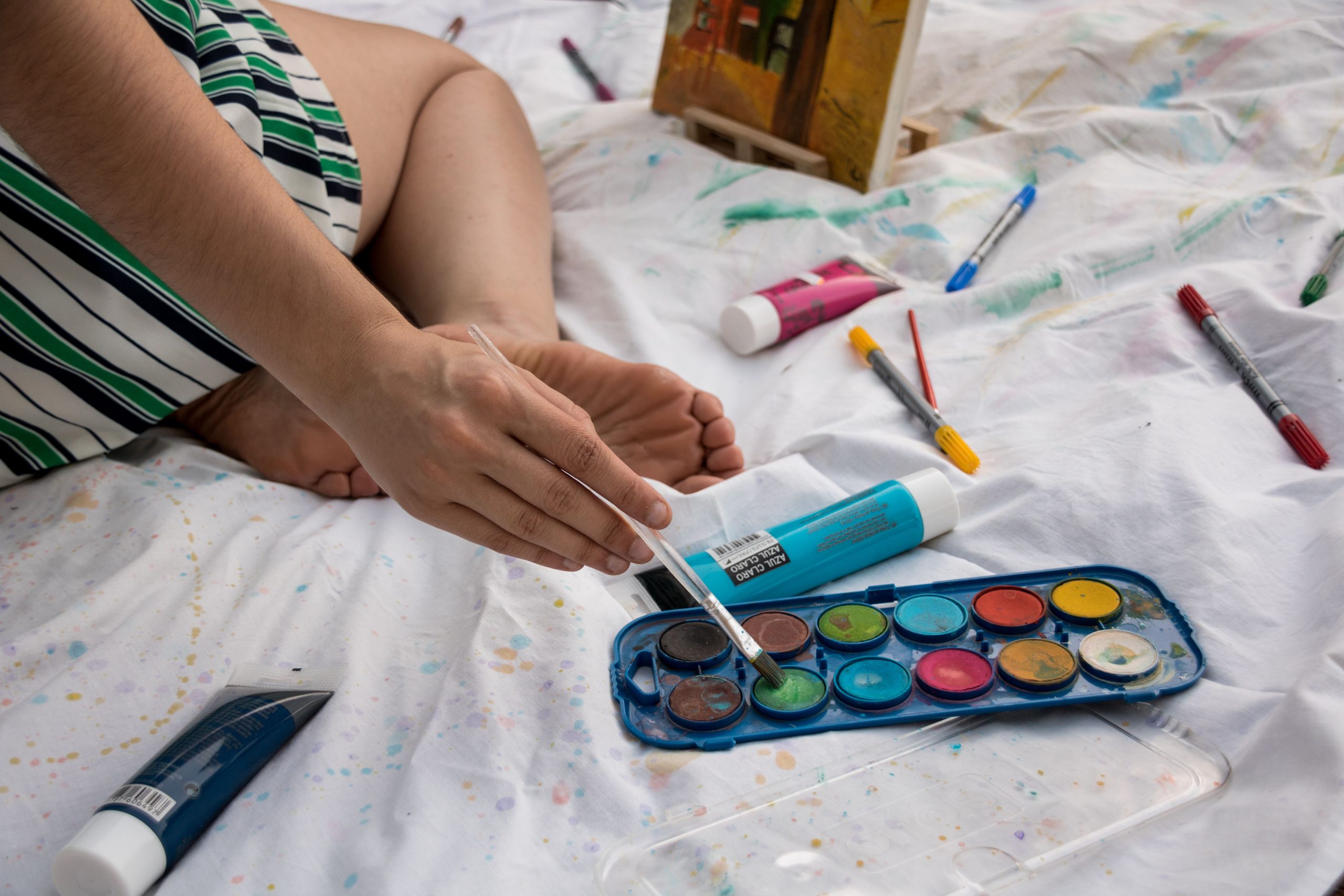
Working with art materials can feel grounding, irritating, soothing, or overwhelming, depending on the person. Clay may help one client settle, while another prefers digital art, smooth paper, or familiar markers.
Our team offers choices and adapts the process around sensory preferences. Clients can avoid strong smells, use gloves, ask what to expect, or stop an activity that feels uncomfortable. There is no pressure to push through discomfort in our studio.
Making Masking More Visible
Masking may involve hiding stims, forcing eye contact, rehearsing conversations, or ignoring sensory needs to feel safer or more accepted. It can be useful in some environments, but it can also leave people disconnected from what they actually need.
Through self-portraits, masks, comics, or visual timelines, neurodivergent art therapy can help clients explore where they feel most able to be themselves. The goal is not to push anyone to unmask before it feels safe. Instead, we make room for more intentional choices about where, when, and with whom clients share different parts of themselves.
Strengthening Self-Trust
Many neurodivergent people have been told that their reactions are too strong or that their needs are not real. Over time, those messages can make it difficult to trust the signals coming from the body and brain.
Creative work allows clients to notice those signals without immediately questioning them. Mapping energy, illustrating sensory needs, or creating a visual accommodation list can support clearer boundaries, stronger self-advocacy, and greater trust in their own experiences.
What Art Therapy for Neurodivergent Folx Can Look Like in Session
Art therapy for neurodivergent clients can include drawing, painting, clay, collage, comics, fiber arts, digital tools, or quiet reflection. Some people talk while they create; some need silence first; and others move between words and images as their nervous systems settle. The work can focus on sensory overwhelm, identity, burnout, transitions, relationships, grief, trauma, or the everyday effort of being understood.
The Difference in Working With an Art Therapist for Neurodivergent Individuals
Finding an art therapist for neurodivergent individuals involves more than choosing someone who keeps paintbrushes in the office. A therapist’s understanding of neurodivergence can determine whether the creative process feels freeing or becomes another place where a client is expected to mask, comply, or perform.
Therapy That Adapts to the Person
A neurodivergent-affirming therapist respects direct communication, limited eye contact, movement, stimming, silence, and extra processing time. They understand that looking away does not mean someone is disengaged and that emotions do not always appear in expected ways.
At Spotted Rabbit Creative Arts Therapy, our therapists adapt the pacing, materials, prompts, and structure of each session around the client. Clients can ask questions, change an activity, decline a suggestion, or choose another way to participate. Autonomy is part of the process, not something anyone has to earn through compliance.
Care That Understands the Whole Person
Neurodivergence does not exist separately from identity, relationships, trauma, or daily life. Queerness, gender, race, culture, disability, chronic illness, body size, and access to support can all shape how someone experiences the world.
Our licensed art therapists specialize in neurodivergent art therapy, LGBTQIA+ and gender-affirming care, and complex trauma counseling. Many members of our team also bring shared lived experience to the work, so clients do not have to spend every session explaining the basics of masking, sensory overwhelm, identity, or why being misunderstood can feel so exhausting.
A Collaborative Relationship, Not a Power Struggle
The right art therapist for neurodivergent individuals brings clinical training and creative tools without claiming to know clients better than they know themselves. The therapist offers support, curiosity, and perspective. The client brings expert knowledge of their own brain, body, identity, and experiences.
At our studio, those forms of knowledge are treated with equal respect. We are here to help neurodivergent people understand themselves, process what they have lived through, and build lives that feel more authentic, sustainable, and their own.
Creative, Affirming Neurodivergent Art Therapy Support in the Rochester Area
At Spotted Rabbit Creative Arts Therapy, we are not here to fix neurodivergent people. We are here to help our clients understand their patterns, honor their limits, process what they have lived through, and build lives that fit their real needs and values.
Our licensed art therapists provide LGBTQIA+ and neurodivergent-affirming trauma therapy from our Brighton and Pittsford studios. We work with folx from Rochester, Monroe County, and nearby communities who are navigating sensory overwhelm, masking, burnout, anxiety, identity, trauma, relationships, and the many ways those experiences overlap.
Working with an art therapist for neurodivergent individuals can offer a place to put down the performance and get curious about what support actually feels supportive. Our team provides therapy that’screative, collaborative, honest, and human. Stick figures are welcome. Silence is welcome. Special interests are welcome. Showing up without the right words is welcome too.
If you’re interested in learning more about neurodivergent art therapy, we're here to listen. Spotted Rabbit Studio has several therapists trained in neurodivergent-affirming therapy (including for autistic, ADHD, and AuDHD folx) and can work with you to get down to the root of the problem through a blend of talk therapy and artistic creativity. Our art therapists also bring lived experience, so you can feel safe in knowing that you will be understood and that you are not alone.
No Waitlist. Reach Out Today. Call or text 585-430-9877, or contact hello@spottedrabbitstudio.com to learn more about starting expressive arts therapy with Spotted Rabbit Creative Arts Therapy. The canvas is ready, and we will get back to you immediately.
If you’re a Rochester local, we have offices in Brighton, Pittsford, and, coming soon, a third studio location! We also offer virtual sessions. Check out our website to connect!
You also may be the perfect fit for our High-Masking Neurodivergent Adult Art Group. This class is offered quarterly and is for adults who are high-masking, have low support needs, or are late-diagnosed autistic, ADHD, or AuDHD. Not diagnosed? You’re welcome here, too!
We’ll use open-ended and directed art-making to actively work on identity development, emotional expression, and social connection while learning more about the ways autism, ADHD, and AuDHD impact our emotions, thoughts, and behaviors. As always here at Spotted Rabbit, our goal is to help folks embrace authenticity and build a life aligned with their own personal needs and values.
If you have moderate or high support needs, please check out our Art Class at Monroe. Pre-registration is open!
We also share updates and resources through our newsletter and social channels if you’d like to stay connected.