spotted rabbit studio
Depression Therapy in RochesterAre you struggling to find the joy in life?
DO YOU....
• Find yourself asking "What's the point?" or "Is life just more of this?" regularly?
• Often feel this sense of hopelessness, apathy, or sadness?
• Find it hard to concentrate or make decisions?
• Isolate yourself from others because of your mood?
• Feel like you're just going through the motions?
• Have thoughts of not existing anymore or dying?
• Experience physical symptoms related to changes in sleep and appetite?
YOU'RE NOT ALONE
Depression is common and rising. According to Gallup, the current depression rate has remained above 18 percent since 2024, meaning nearly 1 in 5 adults in the US report experiencing depression.
EFFECTS ON LGBTQIA+ and TGNC Community
LGBTQIA+ and TGNC individuals face higher depression rates. NYC Health reports significantly higher rates of depression and anxiety among LGBTQIA+ and TGNC folx compared to cisgender and heterosexual populations.
Depression is not a personal failure
Many people living with depression are also navigating burnout, masking, chronic stress, trauma, or environments that were never built for them.
Therapy works best when you feel understood
At Spotted Rabbit Creative Arts Therapy, many of our therapists bring personal understanding to the communities they support, so you can spend less time explaining yourself and more time settling into the work..
Depression art therapy blends talk therapy with art-making
You do not have to choose between talking and creating. Depression art therapy blends talk therapy with art-making, creating a holistic mental health practice that supports you where you are on your journey and what you need on a given day.
ART THERAPY PROVEN TO SIGNIFICANTLY REDUCE SYMPTOMS
Art therapy for depression significantly reduces symptoms. Research from the NIH shows measurable reductions in depressive symptoms through structured art therapy interventions.
Depression Therapy That Feels Different
...Therapy Through Creativity.
Depression is often described as sadness, but many people experience it in quieter, heavier ways. It can feel like exhaustion that sleep does not fix. It can show up as numbness, irritability, brain fog, or a constant sense that everything requires more effort than it should. Some people keep functioning on the outside while everything inside feels flat. Others feel stuck, unable to find motivation for things that once mattered.
Looking for depression therapy in Rochester, NY, often means scrolling through a long list of providers and not knowing where to start when it comes to finding and connecting with a therapist. Instead of a traditional clinical environment, our sessions take place in a creative studio space where art and conversation can work together. You might spend part of your sessions with us talking about what has been weighing on you. Other times, you might be drawing, painting, or working with collage while thoughts and emotions start to surface in ways that are easier to explore. We are not here to rush you toward neat solutions or surface-level coping. We are here to offer a creative, grounded space where you can settle in, be real, and explore what healing actually looks like for you.
Therapy That Feels Different.
Start now, in-person or online.
Benefits of Art Therapy for Depression
The American Art Therapy Association defines art therapy as a mental health treatment that “enriches the lives of individuals, families, and communities through active art-making, creative process, applied psychological theory, and human experience within a psychotherapeutic relationship”.
For many, the benefits of art therapy for depression vary from decreased symptoms to improved mental health overall. The creative work we do in the studio creates another, more accessible path towards healing.
How can art therapy help with depression?
Art therapy helps with depression by providing a unique way to express and process emotions that may be difficult to put into words. Through creative activities like drawing, painting, or collage, art therapy supports emotional exploration, nervous system regulation, and self-awareness. This approach can reduce depressive symptoms by opening new pathways for healing, helping you connect with your feelings safely, and fostering self-compassion. It blends the benefits of talk therapy with creative expression, making it a holistic and accessible form of support for depression.
Communication and Healing that Goes Beyond Talking
Sometimes the hardest part of therapy is simply explaining what you are feeling. Depression can create a sense of numbness or confusion that makes emotions difficult to name. Art allows those emotions to exist outside of your body. Color, texture, shape, and movement can communicate things that words cannot always capture. When feelings take form on paper or canvas, they often become easier to explore.
Supporting Nervous System Regulation
Another of the many benefits of art therapy for depression is nervous system regulation. Slow, repetitive motions like sketching, layering paint, or shaping clay can create a sense of rhythm and grounding. This sensory engagement can help calm an overactivated nervous system or gently activate one that feels shut down. Over time, these moments of regulation can make it easier to access emotions, memories, and insights safely.
Building awareness and self-compassion
Depression art therapy often helps people see patterns in their lives with greater clarity. When experiences appear visually, it becomes easier to recognize how burnout, trauma, masking, or relationship dynamics may be contributing to depression. Many clients find that creative exploration shifts their internal dialogue. Instead of asking “What is wrong with me?” they begin asking “What happened to me, and what do I need now?”
Research Supports Art Therapy for Depression
NIH research has found that structured art therapy can meaningfully reduce symptoms of depression. That research reflects the benefits of art therapy for depression that many of our clients experience firsthand in the studio: creative work can open new pathways for insight, regulation, and emotional healing.
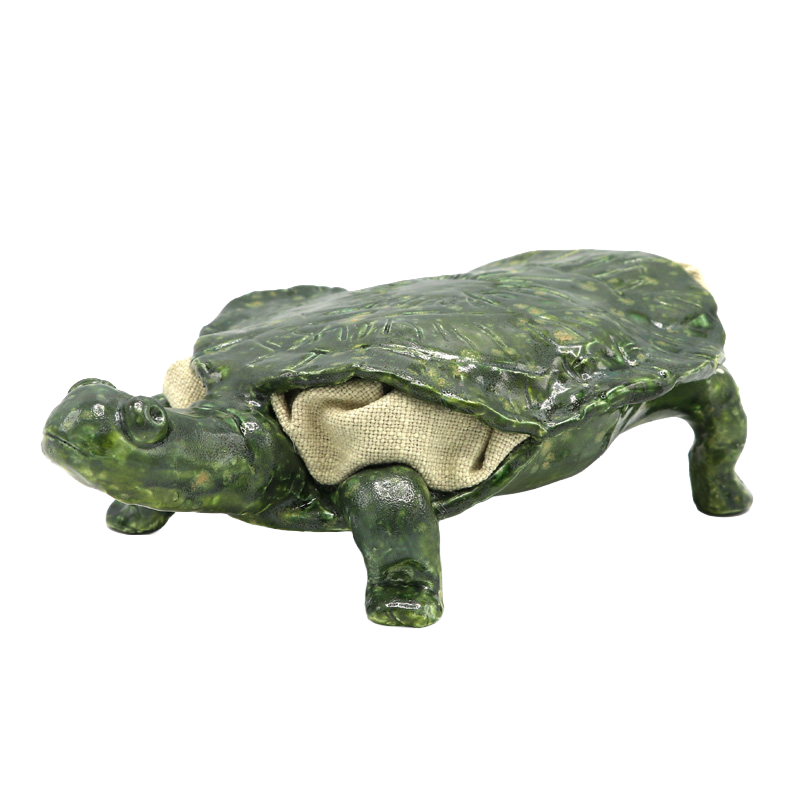
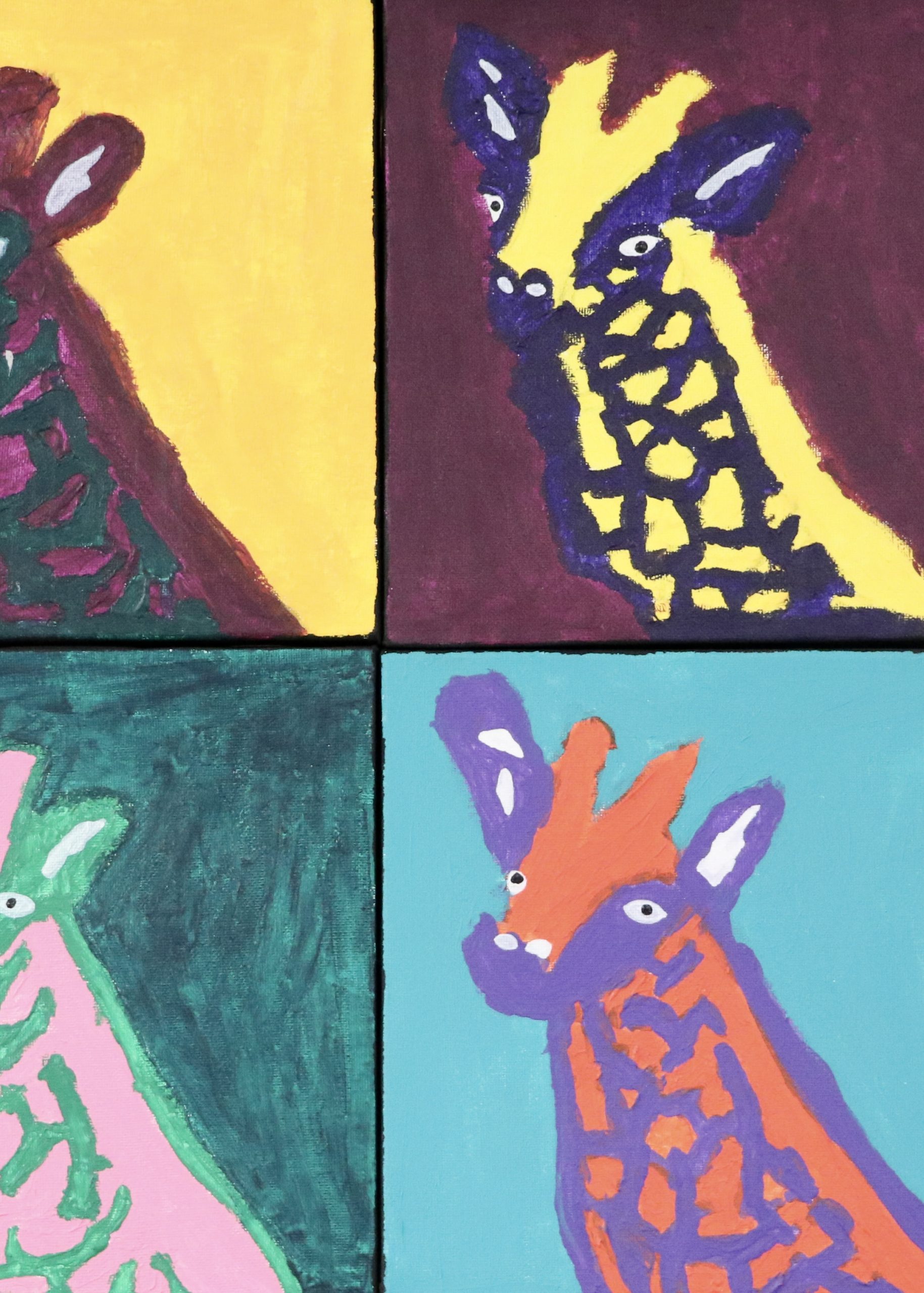
The canvas is ready when you are.
Depression art therapy here is a space to explore these experiences openly. Our clients are welcomed exactly as they are, including those navigating non-traditional relationships, chosen family dynamics, complex trauma, or identity exploration.
Depression Therapy for LGBTQIA+ and Neurodivergent Adults
...Therapy That Doesn't Try to "Fix" You.
Spotted Rabbit Creative Arts Therapy was created with LGBTQIA+ and neurodivergent clients in mind. That means therapy can begin from a place of real understanding, where the emotional weight of masking, identity stress, and navigating the world in your own way does not need a long explanation before the healing can start.
Depression in LGBTQIA+ communities can be shaped by experiences such as family rejection, gender dysphoria, discrimination, or the stress of navigating social and political hostility. Even in supportive environments, the effort required to balance safety and authenticity can be draining.
For neurodivergent adults, depression often overlaps with burnout, sensory overload, and executive functioning challenges. Autistic and ADHD burnout can include fatigue, brain fog, irritability, and the sense that everyday responsibilities require more energy than is available.
meet the team
Depression Specialists
Finding the right provider for depression therapy is not just about credentials; it is about feeling understood, safe, and not judged for how you cope. Our therapists are licensed art therapists who combine strong clinical training with a trauma-informed, LGBTQIA+ and neurodivergent-affirming approach, and many have personal connections to the communities they serve. If you want to get a feel for who you might work with, the team profiles can help you find a therapist whose style, specialties, and personality feel like a good fit.

SARAH MAYNARD, LCAT
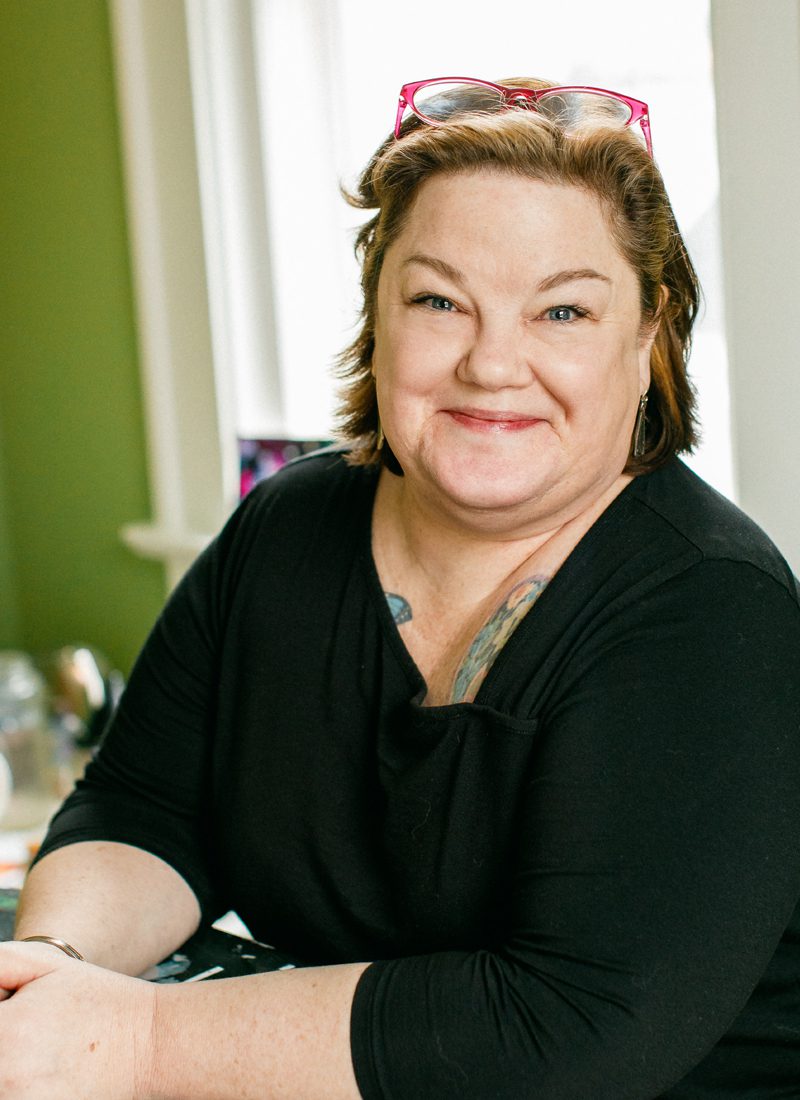
SHAWN SHANNON-MISSAL, LCAT

KYLE LANG, LCAT
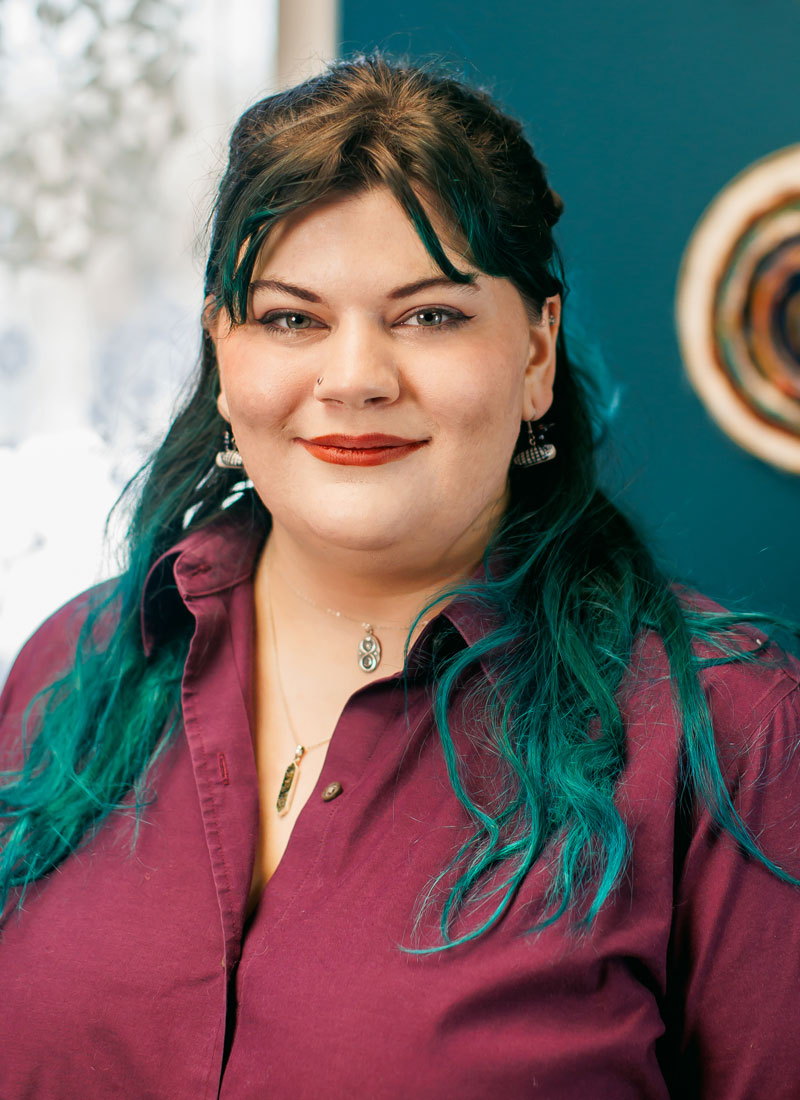
EVELYN VARLAN, LCAT-P
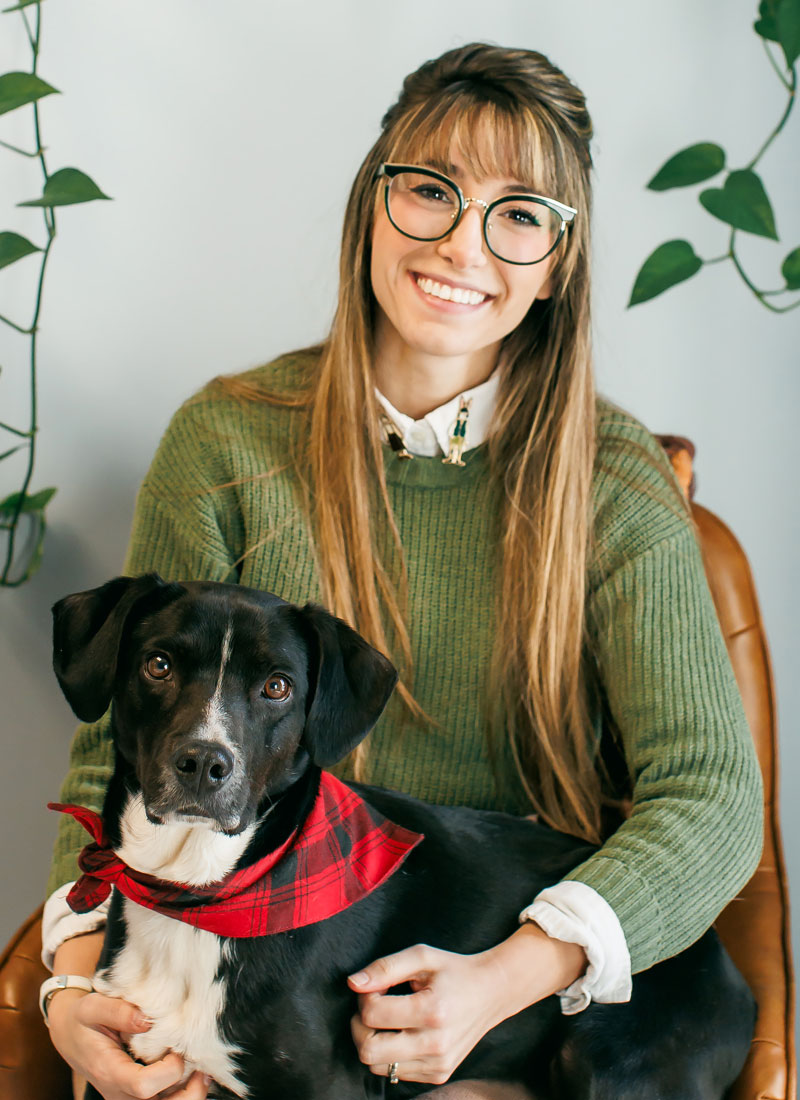
BRENNA BRADY, LCAT
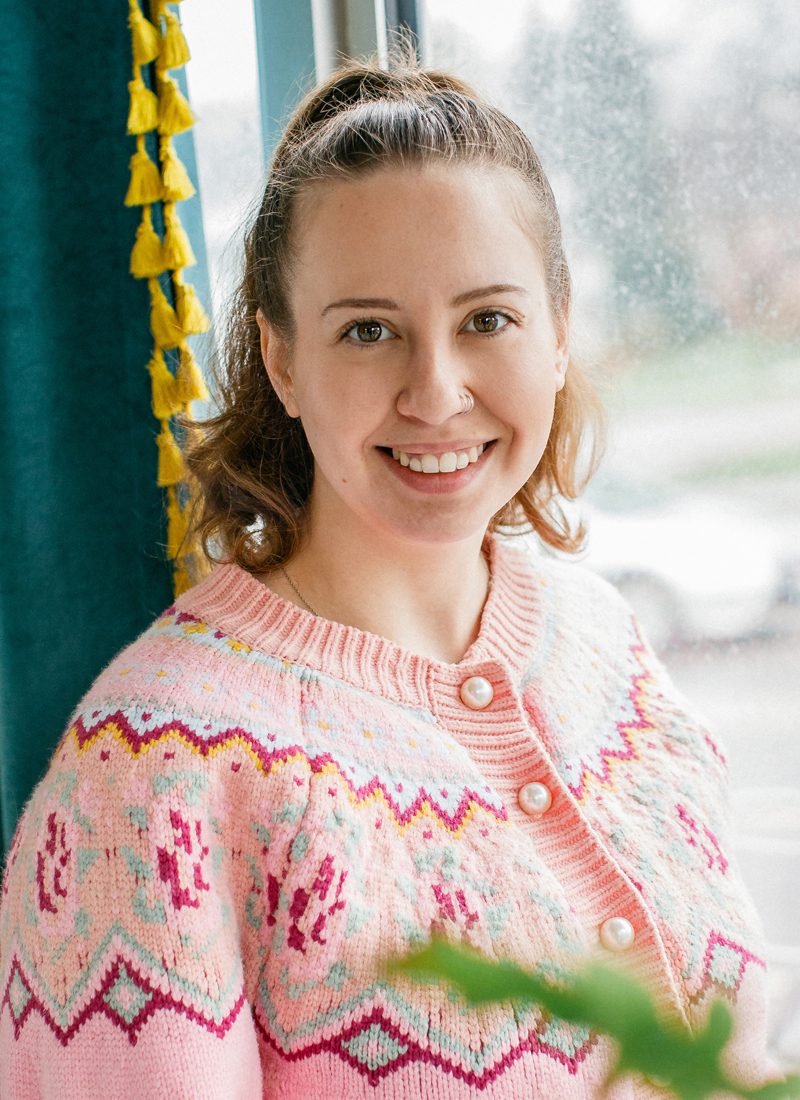
KAMYRN AARONSON, LCAT
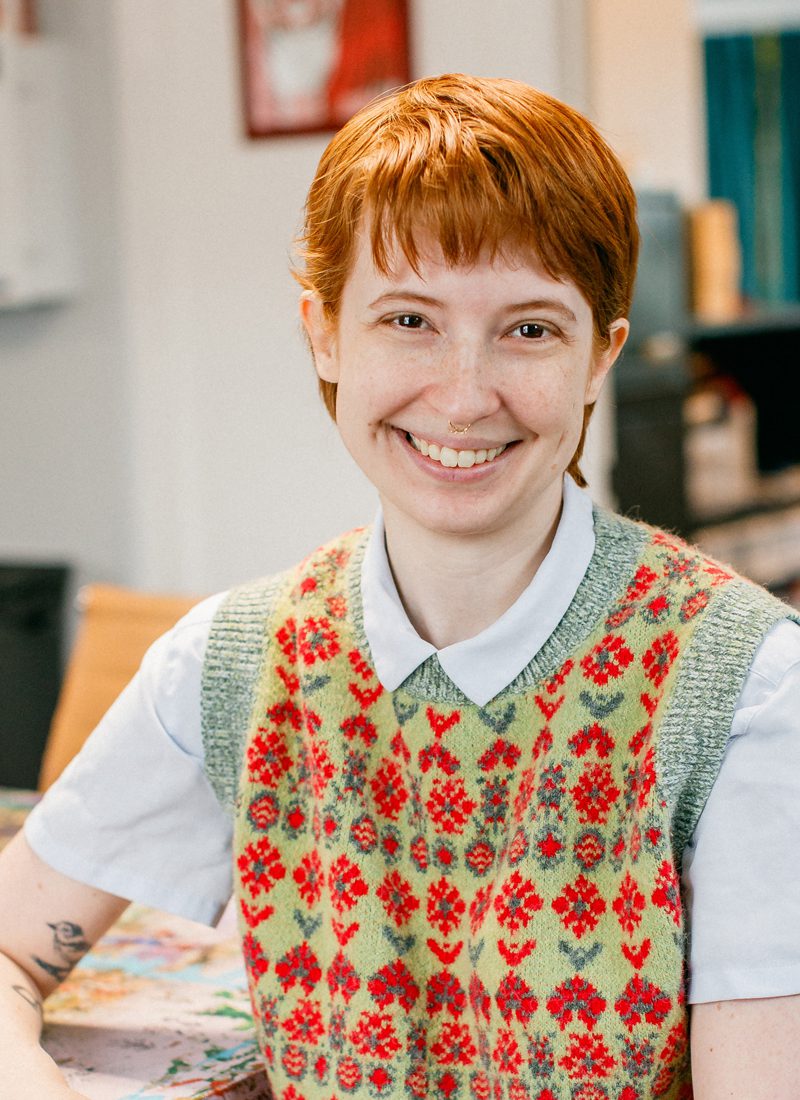
SYDNEY DLHOPOLSKY, LCAT-P
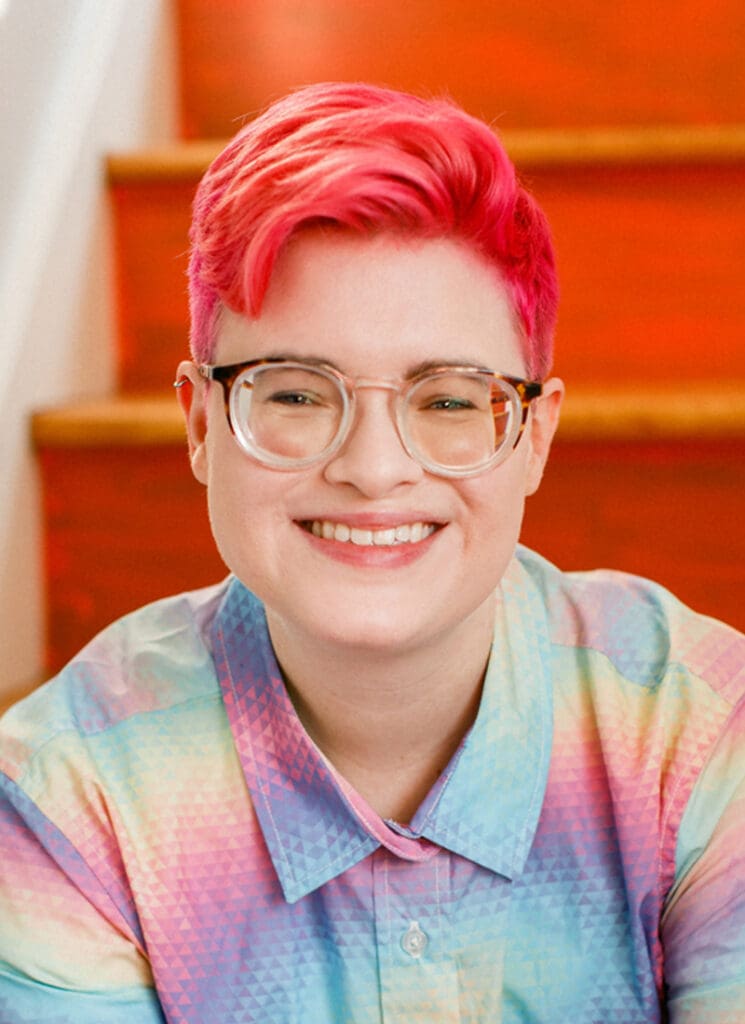
LYRAH WALLACE, LCAT
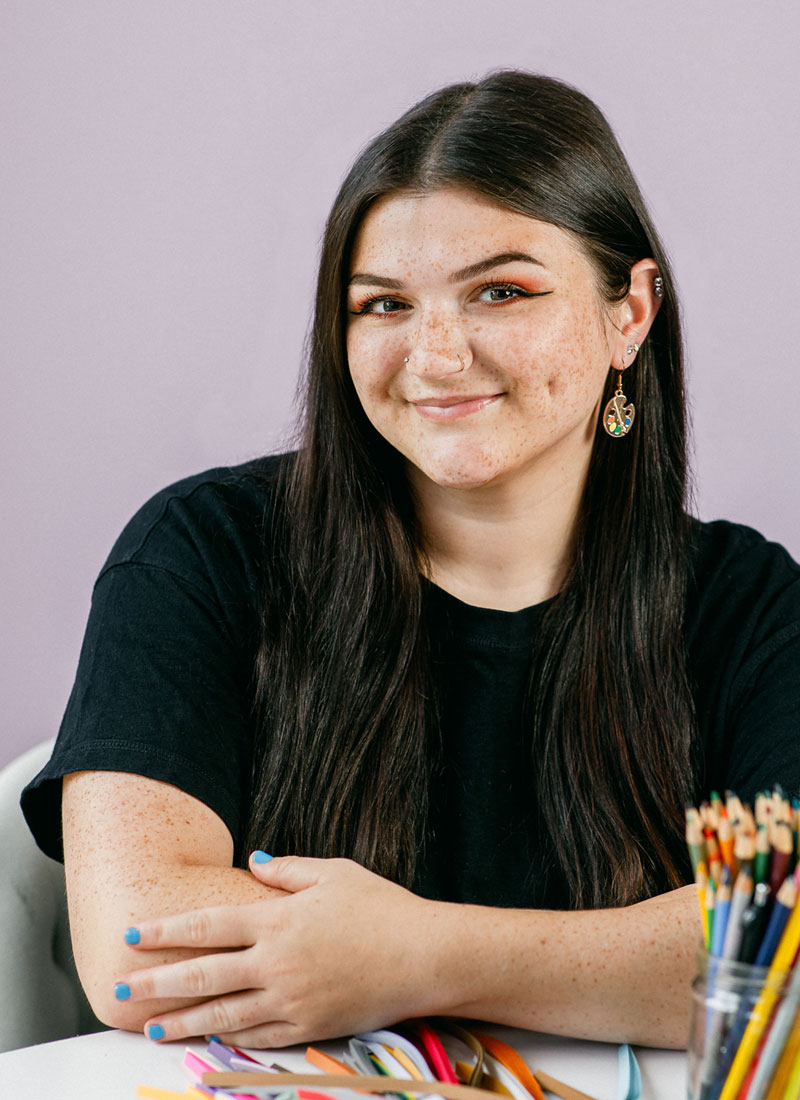
EMMA ANNABLE, LCAT-P

CIERA LACOUNT, LCAT
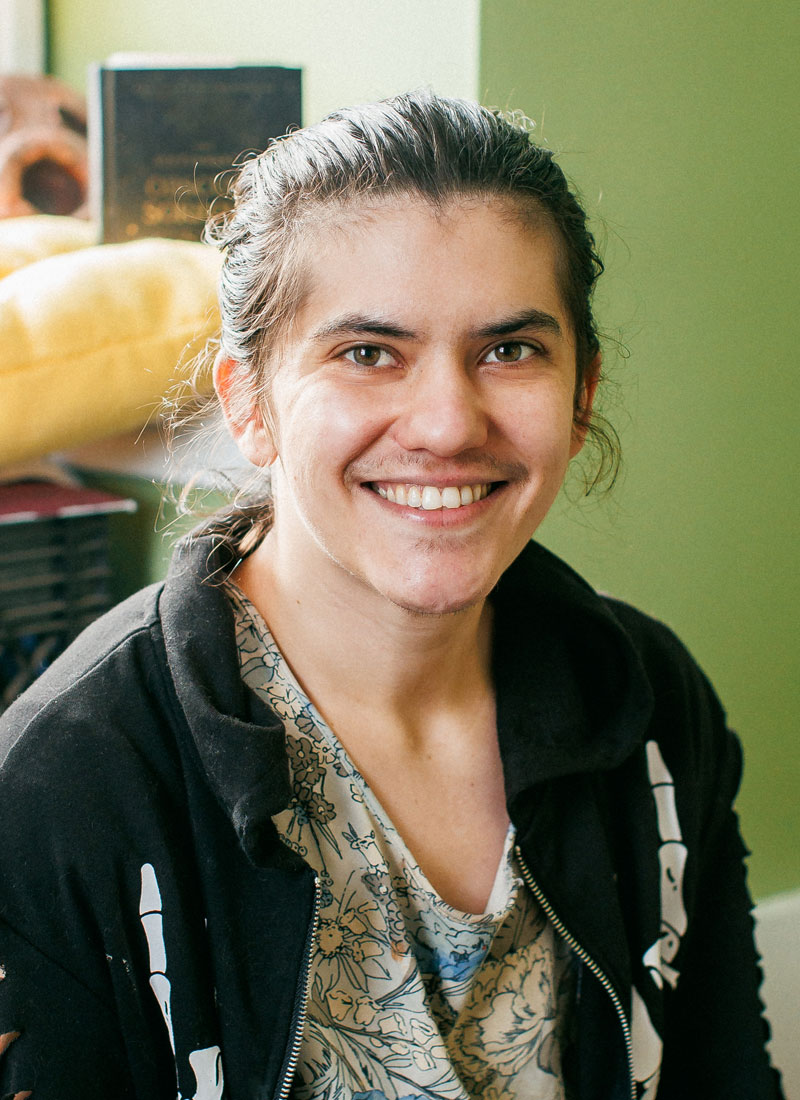
KIT SHULMAN, LCAT-P
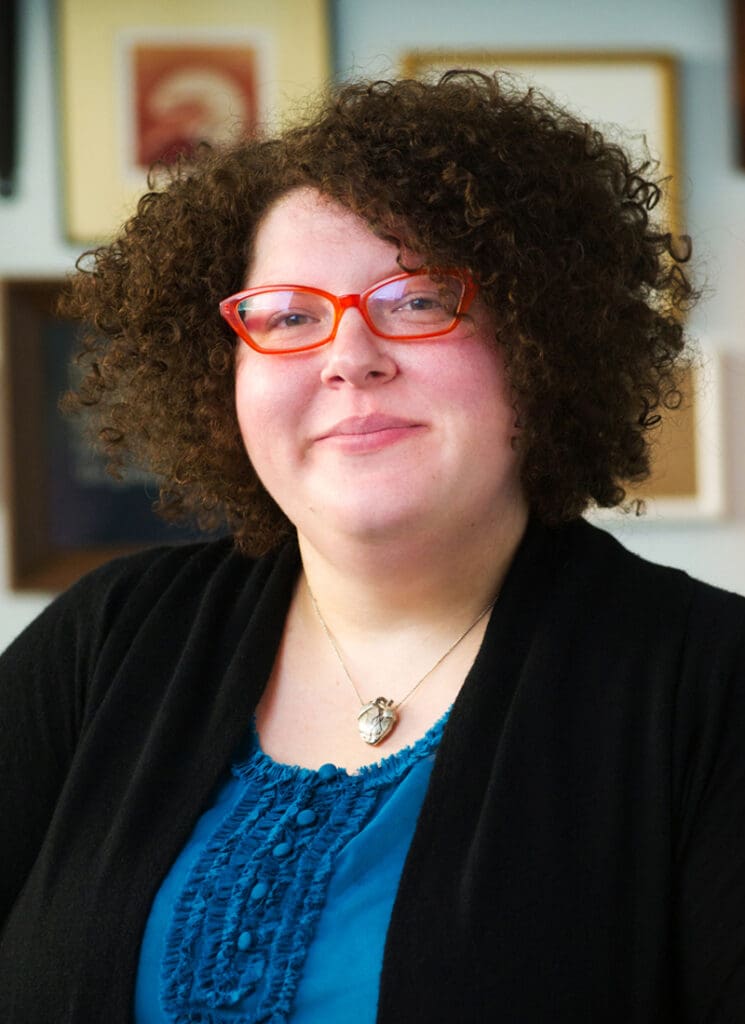
SARAH BEREN, LCAT
Therapy Through Creativity.
For neurodivergent people, depression is often connected to years of masking. Many autistic and ADHD adults have spent much of their lives trying to appear neurotypical in workplaces, schools, and social spaces that were never designed for their needs. That effort requires enormous energy, and eventually, many folx reach a point of burnout.
Depression Makes Sense in a World That Was Not Built for You
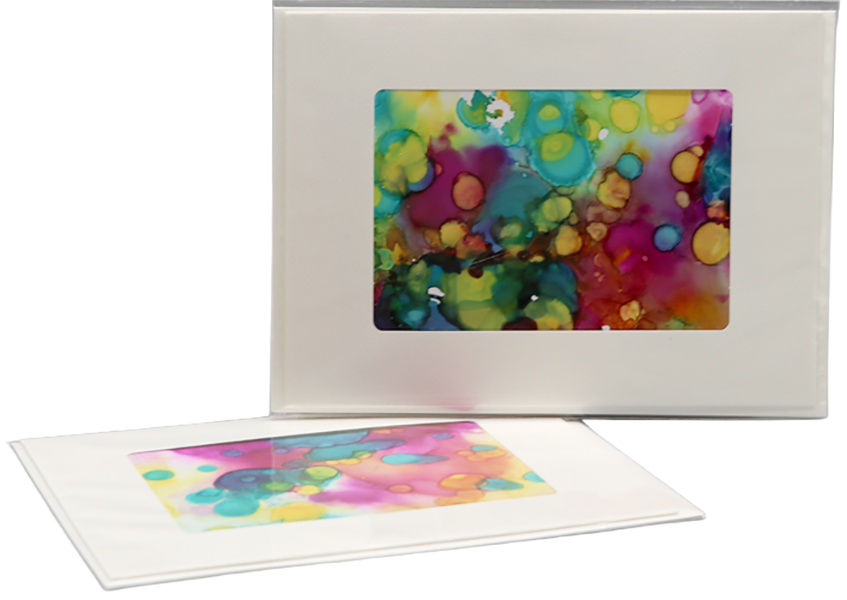
"The art materials are not just there for decoration. They are part of how we help you move through what depression has been storing in your body and in your nervous system."
Depression rarely appears out of nowhere. More often, it grows in environments where people have spent years adapting, performing, and pushing themselves to survive. Research from NYC Health shows that the LGBTQIA+ community in NY consistently experiences higher rates of depression and anxiety than their cis/heterosexual peers. This is not because of identity itself. It is because of chronic stress. Discrimination, rejection, microaggressions, and the constant calculation of safety take a real toll on mental health.
Late diagnosis can add another emotional layer. Learning that you are autistic or have ADHD as an adult can bring relief and understanding, but it can also bring grief. You might find yourself reflecting on earlier experiences and realizing how much harder things were without the right support.
Depression can also take root in family systems, emotional neglect, chronic illness, invisible disabilities, and a culture that teaches people to value productivity over well-being. From this perspective, depression is not proof that something is wrong with you. It can be a response to long-term stress, disconnection, and survival. That is why our work focuses less on labeling your pain and more on understanding what shaped it, and what support might help now.
Therapy That Doesn't Try to "Fix" You. Care is available now, in-person or online.
What to Expect in our Depression Art Therapy Sessions
Starting the Conversation with Spotted Rabbit Creative Arts Therapy
Contacting a therapist can feel intimidating, so if you are reaching out, that already matters. You can email, call, or text us, and you will get a real response from a real human, not an automated message.
Your First Session: Getting Curious About What You’re Carrying
The first session usually begins with a conversation about what has been going on in your life and what you hope might change. You will not be expected to share everything immediately, or have the perfect explanation. We will move at a pace that feels safe for you, with plenty of room to pause, breathe, and figure out what support can look like.
Art, Talk, or Both: Letting the Process Unfold Naturally
Some days you may want to talk things through. Other days, it may feel easier to paint, collage, sketch, or work with clay while you process. Most clients move between both, depending on what feels most supportive in the moment. Creative work can make it easier to talk about difficult topics while also giving your hands and senses something grounding to focus on. You do not need artistic experience to participate. The process matters far more than the final product.
Every hue of you is welcome.
Depression can make you feel like you are failing at a life everyone else seems to manage. We understand that most people just need support that understands their full context and gives them a place to lay down and process the emotional load they have been carrying.
A Different Kind of Depression Therapy, Rooted in Creativity and Care
A Radically Affirming Space Where You Do Not Have to Translate Yourself
Spotted Rabbit Creative Arts was built to be a safe, creative, and affirming space where you can show up exactly as you are, no matter where you are in your journey. You do not need the right words, a clear plan, or a polished version of your story before you come in. Many of the therapists here bring both strong clinical experience and real personal insight to this work, so support can feel more natural, more grounded, and more connected from the start. We want this to be a place where healing feels possible without pressure to perform or explain every part of yourself first.
A Different Way to Move Through Depression
Depression can make it hard to explain what is happening, and sometimes words disappear completely. When talking alone keeps you stuck in a loop, art offers another way to bring what is going on inside out into the open. You might collage the chaos, paint the numbness, sketch the heaviness, or simply keep your hands busy with something grounding while you find your sentences. You do not have to translate your inner world into perfect language before you get support.
At Spotted Rabbit Creative Arts Therapy, we are not trying to push you back into productivity or ask you to perform wellness. We are here to help you make sense of your story, care for an overworked nervous system, and build a life that feels more honest, more sustainable, and more like your own. That is part of what makes depression therapy different here. Here, healing does not have to come through words alone.
FAQs on Depression Art Therapy
Do I need to be good at art to try art therapy?
No, you don't have to be a pro to experience the benefits of art therapy for depression with us. Art therapy is not about talent or making something impressive. It is about using the creative process to explore what you are feeling. Many clients begin with simple materials like collage, sketching, or color, and find that it helps them express things that are hard to say out loud.
What kinds of issues do you help clients with besides depression?
While many people come to us for depression therapy, we also support clients navigating anxiety, trauma, burnout, identity exploration, relationship stress, and neurodivergent burnout. Depression art therapy can be helpful for anyone who feels stuck, overwhelmed, or disconnected from themselves. You can explore our areas of focus by hovering over the “Specialties” tab.
What therapy modalities do you use alongside art therapy?
Our therapists are trained in a range of trauma-informed and affirming approaches, including:
• ACT
• CBT
• Attachment-based therapy
• IFS and parts work
• Psychodynamic therapy
• Narrative therapy
• Feminist and multicultural frameworks
• Somatic and nervous system practices
• Mindfulness and polyvagal-informed care
Depression art therapy is often woven into these approaches rather than used on its own. Your treatment is collaborative and tailored to your brain, body, and goals.
Can I combine talk therapy and art therapy in the same session?
Absolutely. Many clients move between conversation and creative work in the same session. You might begin by talking, shift into collage or drawing, and then reflect on what comes up through the process. Or you might talk while also engaging in the creative process.
How do I know if depression therapy is right for me?
You do not need a formal diagnosis to benefit from depression therapy. Many people seek support when they feel persistently overwhelmed, emotionally numb, burned out, or disconnected from themselves and others. If your mood, energy, or motivation has been affecting your daily life, therapy can help you explore what is happening and find new ways to support your mental health.
How long does depression therapy usually take?
The length of depression therapy can vary depending on your goals, life circumstances, and what you want to focus on in sessions. Some folx come to therapy for short-term support during a difficult season, while others find value in longer-term therapy as they explore deeper patterns, trauma, and identity. Here, depression therapy moves at your pace and is shaped around what feels meaningful for you.
What age groups do you work with?
We work with adults and youth ages 5+ navigating depression, burnout, trauma, and identity exploration. Many clients are LGBTQIA+ or neurodivergent folx looking for therapy that feels affirming and collaborative rather than clinical.
Begin at your own pace, where you are.
The environment matters more than most people realize. Here, you are not walking into a sterile office and feeling pressure to say the right thing. You are entering a creative studio space that feels warm, human, and easier to settle into. The art materials are not just there for decoration. They are part of how we help you move through what depression has been storing in your body and nervous system.