Licensed art therapist
Shawn Shannon-Missal, LCAT, ATR-BC (she/her)
- Self-Care
- Complex Trauma
- Chronic Illness and Pain
- Cancer Therapy
- Existential Crisis & Mortality
- Imposter Syndrome
- Neurodivergence
Pittsford location
Openings currently available
$125 self-pay rate
In-network with MVP
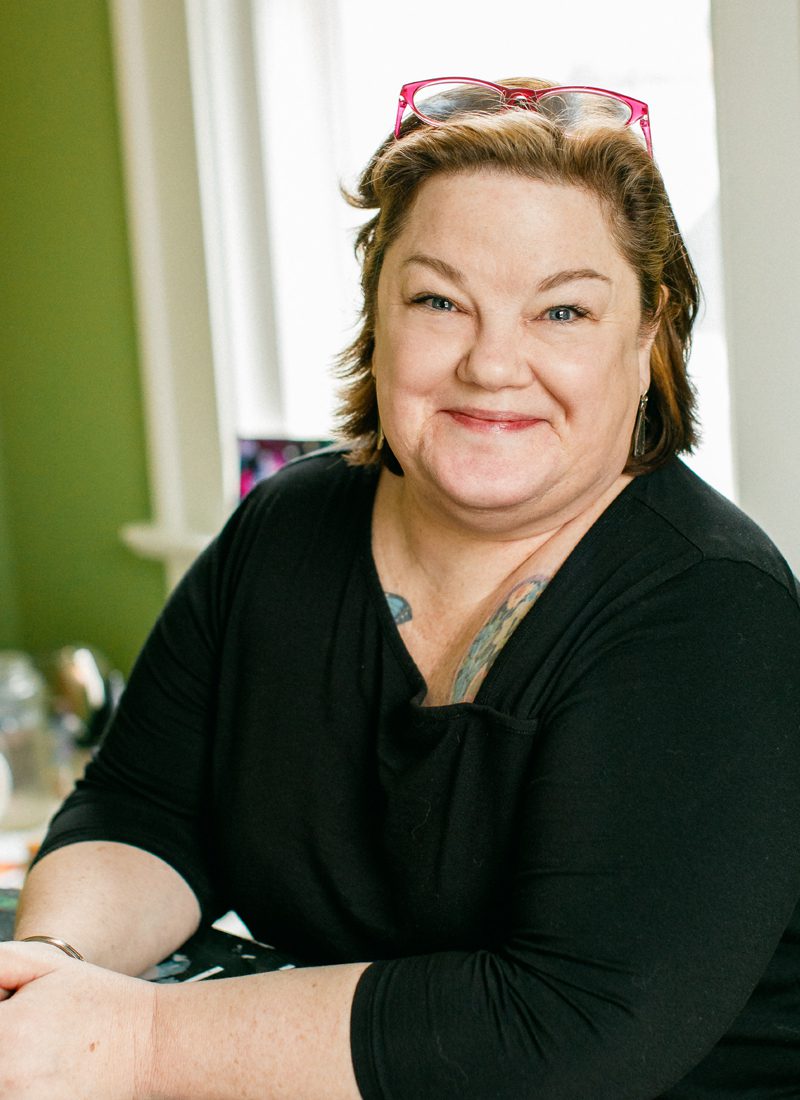
Do you feel stuck? Does chronic pain and illness, neurodivergence, or anxiety and depression limit what you do and keep your life small? I know just how hard it can be to reach out for help, from the energy it takes just to make the appointment to the frustration when you leave the office without relief. Navigating the medical system can become its own source of trauma, on top of what you’re already dealing with, managing day-to-day life at home and work. I am familiar with the challenges of high-functioning autism, late-diagnosed ADHD, and even chronic medical conditions like Lyme, EDS, fibromyalgia, and cancer. It is NOT all in your head. Even if other providers haven’t had much to offer, I’m confident that together we CAN improve your quality of life.
As a therapist, I believe in helping you not only to live, but to thrive. I believe that everyone has their own personal strengths and that tapping into these will bring a sense of empowerment and independence. In our sessions together, you’ll be greeted with empathy and compassion in a space free from judgment. My approach is eclectic, solution-focused, and utilizes your inherent strengths and personal values to help you live your life with meaning and purpose, even if things currently feel a bit hopeless or overwhelming. I incorporate mindfulness and somatic practices to help you reconnect with your body, as well as cognitive behavioral approaches to shift unhelpful thought processes and beliefs. I am currently completing advanced certification in polyvagal theory to help clients better understand how their nervous system impacts both emotional and physical experiences and how they can self-soothe more easily. Overall, I aim to be authentic and transparent, creating a safe space for you to embark on self-discovery and explore solutions that will work for you.
Interested in learning more about the connection between the vagus nerve, polyvagal theory, and art therapy? Read Shawn's blog, How a Polyvagal Approach Improves Chronic Pain, for valuable information on how creative expression can support nervous system regulation and healing.
“I can be changed by what happens to me. But I refuse to be reduced by it.”
M. angelou
Get To Know Shawn!
Education & Training
I attended PennWest Edinboro for my Master’s degree in Art Therapy and graduated in 2024. In addition to NY state licensure I am also nationally recognized as a Registered Art Therapist (ATR).
I've completed the Polyvagal Certificate Course at the Polyvagal Institute, spearheaded by Dr. Stephen Porges. Polyvagal Theory emphasizes the role the autonomic nervous system plays in regulating our health and behavior, and helps us understand how safety, co-regulation, and connection are paramount to a healthy human experience.
Personally, I have completed a 6-month DBT-Linehan Board of Certification™ (DBT-LBC) program and integrated this into my work with clients. DBT is an evidence-based treatment for multiple disorders and symptom presentations and can help teach skills to control reactive behaviors, fully experience emotions, solve ordinary life problems, and feel a sense of connection to others and the world.
client focus
I enjoy working with all ages, particularly teens and adults. As a wife and mother, child of divorce, and a cancer survivor, I get a lot of satisfaction out of working with these populations.
I’m the living embodiment of “it’s never too late to start over,” as I started my career in art therapy later in life, after working in a wide range of other fields. I find I am able to connect with clients who are interested in shifting careers and discovering work environments that provide long-term meaning and satisfaction.
Therapeutic approaches
I believe that this is your hour to use in whatever way is most beneficial. I listen without judgment, but may also “play devil’s advocate” if challenging a negative thought pattern or unhealthy belief is warranted. My approach tends to be eclectic, but a theme that commonly comes up is clients focusing on the negatives in life and minimizing the positives. I say celebrate those wins, no matter how small! Otherwise, it's so easy to get lost in pain and suffering. I also tend to look at things through an existential lens. Regardless of your beliefs on what happens after you die, in this moment, we exist. I want to help you uncover your personal values, what gives life meaning and purpose, and create sustainable steps to take action toward authenticity and connection.
areas of specialization
I specialize in clients with chronic illness and/or chronic pain. I work with clients to navigate daily life in a healthy way, both physically and emotionally, and to manage expectations about limitations and frustrations.
I also work with those who are neurodiverse, helping them to work with their symptoms rather than against them. Additionally, I believe we aren’t really taught how to process unpleasant or uncomfortable emotions, so we often push our stressors to the side to "deal with them later". But that just ends up manifesting as worry and ruminating thoughts. Learning how to process stressors healthily can help to manage anxiety and depression.
What does a session with you look like?
Expect the first session to be casual and provide an opportunity to get to know each other a bit. I often use a drawing activity to gather information and begin a discussion. I’ll ask about prior counseling experiences and the purpose for seeking therapy at this time.
In sessions with me, if clients aren’t ready to talk about something, then they don’t have to. Artwork is never judged, and clients don't have to share it with me if they don't want to. I'm here to validate lived experiences and facilitate a healthier path forward.
Each client is different; some require guided questions and art activities, while others prefer a more open-ended approach, and for some, it changes from session to session. I’m pretty good at figuring out which approach to use, but if I’m not sure, I’ll ask. I tend to share info about my life if it pertains to our discussion, making it more conversational than strict Q+A.
How do I know if we're a good fit?
At the end of the first session, I always explore with the client if they want to come back and if they feel like it might be a good fit. Therapy takes time; it’s not a quick fix. Building rapport and trust doesn’t happen overnight. With kids, it often takes much longer. If you aren’t ready to commit to a year or more, you likely aren’t ready for therapy. Depending on the severity of your symptoms and the concerns you want to address, noticing progress can look like an “aha!” moment, but more likely it will be more subtle in nature. It's not unusual for me to be the one to actually point out changes in thinking or behavior as clients review how they reacted to an experience differently now than in the past.