
Child & Adolescent Therapy in Rochester
Spotted Rabbit StudioIS YOUR CHILD STRUGGLING WITH GROWING PAINS?
Art Therapy For Kids And Teens in Rochester, NY
Defiance, mood swings, irritability, or any of the other usual big feelings taking over from time to time can be entirely normal. However, they can also pose challenges for parents and their kids. For kids, if these difficult feelings or behavior are showing up more and more, it often means your child’s nervous system has been carrying far more than it can hold on its own. For parents, it can be tough to know exactly how to support your child through the challenges they are facing, and to self-regulate in moments when your kid is overwhelmed and acting out. You might be watching your child or teen swing between shutdowns and outbursts, pull away from friends, refuse to participate in school, or quietly say they don't want to be here anymore. You might also be watching them wrestle with gender or identity questions, or come home exhausted from masking all day, falling apart the minute they walk through the door, or jumping in the car at pickup.
YOU ARE NOT ALONE
You are not alone in your need for extra parenting support. Youth mental health struggles have been rising across New York and across the nation. Many caregivers describe feeling scared, guilty, and unsure which step to take next. It makes sense if you are caught between hoping it is a phase and feeling in your gut that something deeper is going on.
Spotted Rabbit Creative Arts Therapy offers child and adolescent therapy in Rochester, NY, that gives young people an alternative way to process what they are going through. Art therapy and talk therapy work together here, along with compassionate, culturally sensitive care, so kids and teens can show what is happening on the inside, even when words feel impossible or too sharp to touch.
Your Child Does Not Have to Hide
Our mission here is to offer a safe, creative, and radically affirming space, especially for LGBTQIA+ and neurodivergent youth. Many of our therapists share lived experience with the communities they serve, so your child does not have to translate their pronouns, their stims, or the way trauma shaped their world. Sessions feel less like sitting in a clinic and more like settling into a creative studio. Your child can choose art, talk, or a mix of both, and their feelings finally have somewhere softer to land.

Curious?
The canvas is ready.
Reach out to connect with us about child or teenage art therapy today, in-person in Brighton and Pittsford, plus online therapy anywhere in New York.
Our third studio in Greece will open soon, providing more access to care across the Greater Rochester community!
When Your Child’s Behavior Is Really A Signal For Help
...You don't have to do this alone.
It can be heartbreaking and confusing when your child or teen suddenly seems different.
Maybe your easygoing kid now cries over small things or reacts with anger that feels out of proportion.
Maybe your teen, who used to care about school, has stopped turning in work, or refuses to get out of bed.
You might be wondering if this is just a rough patch, if they are going through a phase, or if you somehow missed the moment when everything started to shift. Here are some of the struggles that look like in everyday life.
Changes In Mood And Energy
Struggle often shows up first in mood. Your child might seem sad or irritable for weeks at a time, get overwhelmed by small changes, or swing between shutting down and explosive outbursts. Their energy may crash, or they may seem restless and wired even when they are tired.
Changes At School And With Friends
You might notice school refusal, late arrivals, or a sudden drop in grades. A child who used to enjoy learning might stop trying, or a teen who once loved activities might quit everything at once. They might avoid friends, feel left out, or seem constantly on edge around peers.
Signs In The Body And In Safety
Sometimes distress shows up as stomachaches, headaches, or other pains your doctor cannot fully explain. In more serious moments, you might see self-harm, talk about not wanting to be alive, or risky behavior that feels out of character. These are not attention grabs or moral failings. They are signals that something inside feels too big to carry.
Behavior As A Nervous System Response
Underneath the behavior, there is almost always a story. Kids and teens carry stress from school, family dynamics, social media, bullying, grief, identity-based questions or harm, or trauma that their adults may not even know about. Their nervous systems do their best to cope, which can look like yelling, shutting down, hiding in a phone, or trying to control every detail. These patterns are often nervous system responses to overload, and are not laziness or defiance.
Reaching Out For Help Is An Act Of Care
Seeking children’s therapy or mental health services for teens is not overreacting. It is a way of saying, “This feels bigger than us, and we deserve support.” In our child and adolescent therapy services in Rochester, we take the trust our clients put in us seriously. We work with kids, teens, and caregivers together for a holistic, safe, and supportive mental health healing experience.
How Art Therapy Helps Kids And Teens Put Feelings On The Page
For many kids and teens, “talk therapy” sounds like sitting in a room with a stranger and answering questions. That can feel awkward, boring, or scary, especially for youth who have been through trauma, bullying, or years of masking. They may not have words for what is happening in their bodies and minds. They may also have learned that speaking honestly gets them in trouble. Art therapy gives them another way in.
What Art Therapy Looks Like Here
Art therapy at Spotted Rabbit Creative Arts Therapy is a form of mental health treatment where kids and teens use drawing, painting, collage, clay, and other creative tools with a trained and licensed therapist. The focus is not on talent or making something pretty. The focus is on expression, nervous system regulation, and building safer ways to communicate.
A Creative Studio Feel for Your Child's comfort
In session, your child might walk into shelves of markers, paints, collage papers, clay, and textured materials. They choose what feels right that day. Some might sketch in silence for a while, others might talk as they work. Some weeks are more art-focused, others lean more into conversation. The point is choice, not performance.
How Art Helps Feelings Move
When talking feels too hard, art helps bypass the roadblock. Scribbling out anger, drawing a “worry monster,” painting what panic feels like in the body, or making a collage of safe and unsafe places lets kids show their experience without needing the perfect words. This is especially powerful for neurodivergent kids and teens who have heard they are too much, too sensitive, or too intense.
Connecting The Dots
As trust builds, the therapist helps the young person notice patterns in their artwork and connect them to thoughts, memories, and sensations in the body. Together, they begin to name what was once only a knot in the chest or a swirl of color on the page. From there, they practice new coping skills, boundaries, and ways of asking for support that your child can carry into school, friendships, and home.
Therapy That Feels Different.
Start now, in-person or online.
What Child And Adolescent Therapy Looks Like At Spotted Rabbit Creative Arts Therapy
...Therapy That Doesn't Feel Like Therapy.
...and Therapy That Doesn't Try to "Fix" You.
When you reach out to us about your child or teen, you do not need a perfect script. On our initial call or message, someone from our team will ask simple, practical questions about your child’s age and pronouns, what you are noticing at home or school, your scheduling needs, and any accessibility or identity details that matter. We use this information to match your child with a therapist who fits their needs, identities, and communication style, so therapy already feels a little safer from the start.
Finding the right provider for your child's therapy is not just about credentials; it is about your child feeling understood, safe, and not judged for who they are or how they feel and think. Our therapists are licensed art therapists who combine strong clinical training with an affirming approach. If you want to get a feel for who you might work with, the team profiles can help you find a therapist whose style, specialties, and personality feel like a good fit.
From First Contact To First Session
Once a therapist is chosen, we schedule a first appointment together. Those early sessions are not about fixing your child. They are about building trust, getting curious about how your child makes sense of the world, and understanding what feels heavy right now. You, your child, and the therapist collaborate on goals that feel realistic and supportive instead of shame-based, and we move at a pace that respects your child’s nervous system.
Adolescent And Teen Therapy
Adolescent and teen therapy at Spotted Rabbit gives young people in Rochester a place where they can stop performing and start being honest. Sessions might include art, writing, music, movement, or conversation, depending on what feels most natural for your teen. Therapists pay close attention to the pressures your teen is under, from social media and school to identity, safety, and future worries. Together, they work on things like mood swings, anxiety, self harm, relationship stress, and questions about gender or sexuality in a space that is affirming and nonjudgmental.
For many teens, therapy becomes one of the only places where they do not have to mask, minimize, or explain their queerness, neurodivergence, or sensitivity. We focus on helping them understand their nervous system, build skills that actually fit their brain and body, and feel less alone in what they are carrying.
Once a therapist is chosen, we schedule a first appointment together. Those early sessions are not about fixing your child. They are about building trust, getting curious about how your child makes sense of the world, and understanding what feels heavy right now. You, your child, and the therapist collaborate on goals that feel realistic and supportive instead of shame-based, and we move at a pace that respects your child’s nervous system.
Children’s Therapy
Children’s therapy at Spotted Rabbit looks and feels different from what many parents imagine. Instead of long conversations on a couch, younger kids often move between play, art, stories, and gentle check-ins with their therapist. We pay attention to how your child uses color, characters, and movement to show us what feels scary, confusing, or too big inside.
Throughout the process, we look at patterns in your child’s behavior, nervous system responses, and environment, then build small, doable shifts that support regulation and connection. Children’s therapy here is about giving your child a space that feels like a creative studio and giving you support so you do not have to hold everything on your own.
Once a therapist is chosen, we schedule a first appointment together. Those early sessions are not about fixing your child. They are about building trust, getting curious about how your child makes sense of the world, and understanding what feels heavy right now. You, your child, and the therapist collaborate on goals that feel realistic and supportive instead of shame-based, and we move at a pace that respects your child’s nervous system.
Meet The Team
Child & Adolescent Specialists

KYLE LANG, LCAT

CIERA LACOUNT, LCAT
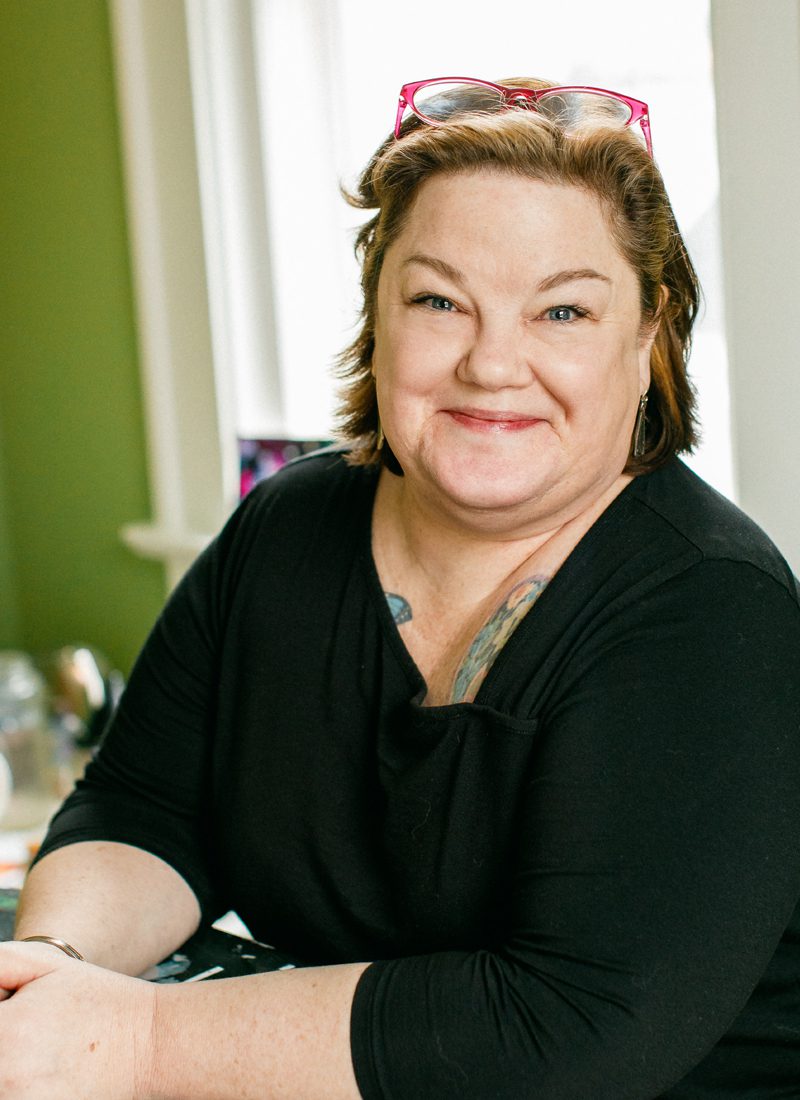
SHAWN SHANNON-MISSAL, LCAT
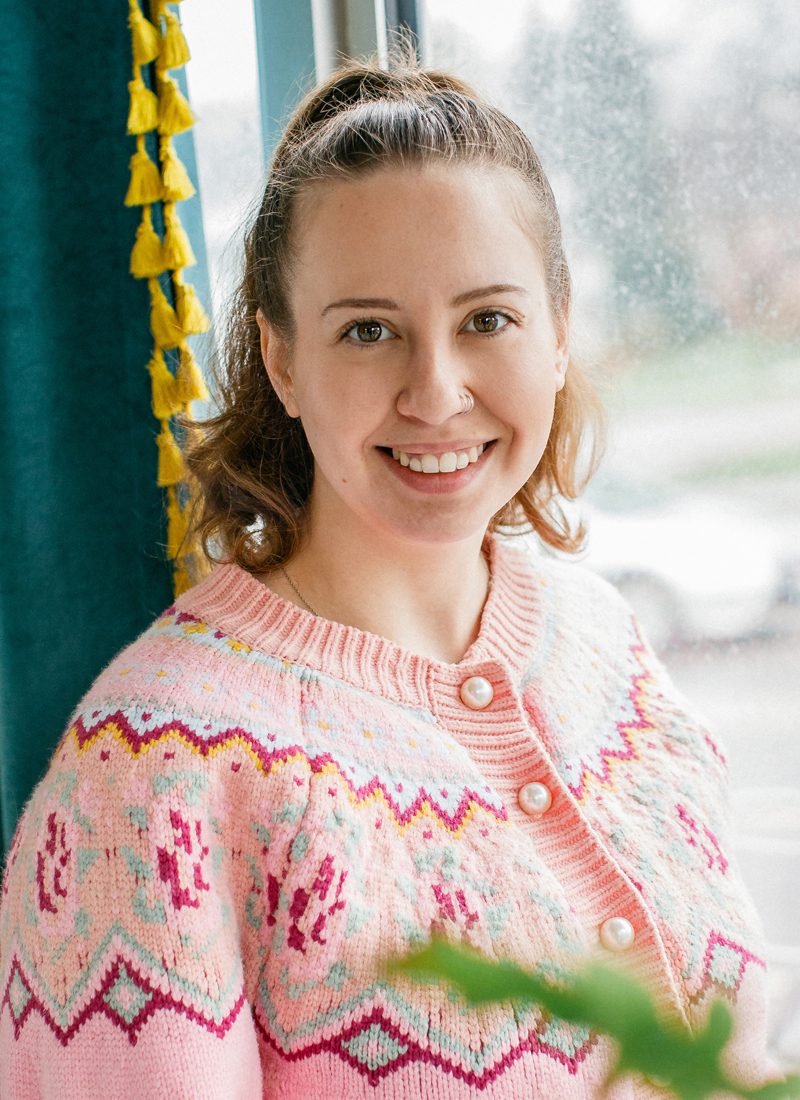
KAMYRN AARONSON, LCAT
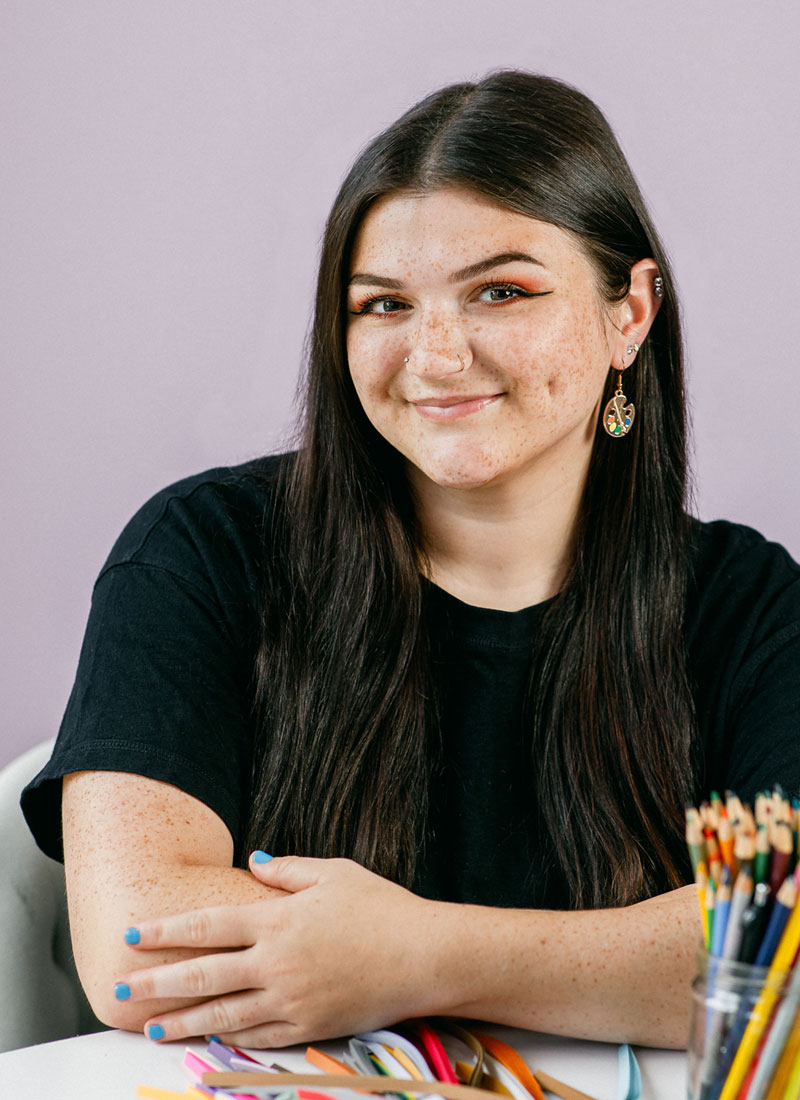
EMMA ANNABLE, LCAT-P

EVELYN VARLAN, LCAT-P
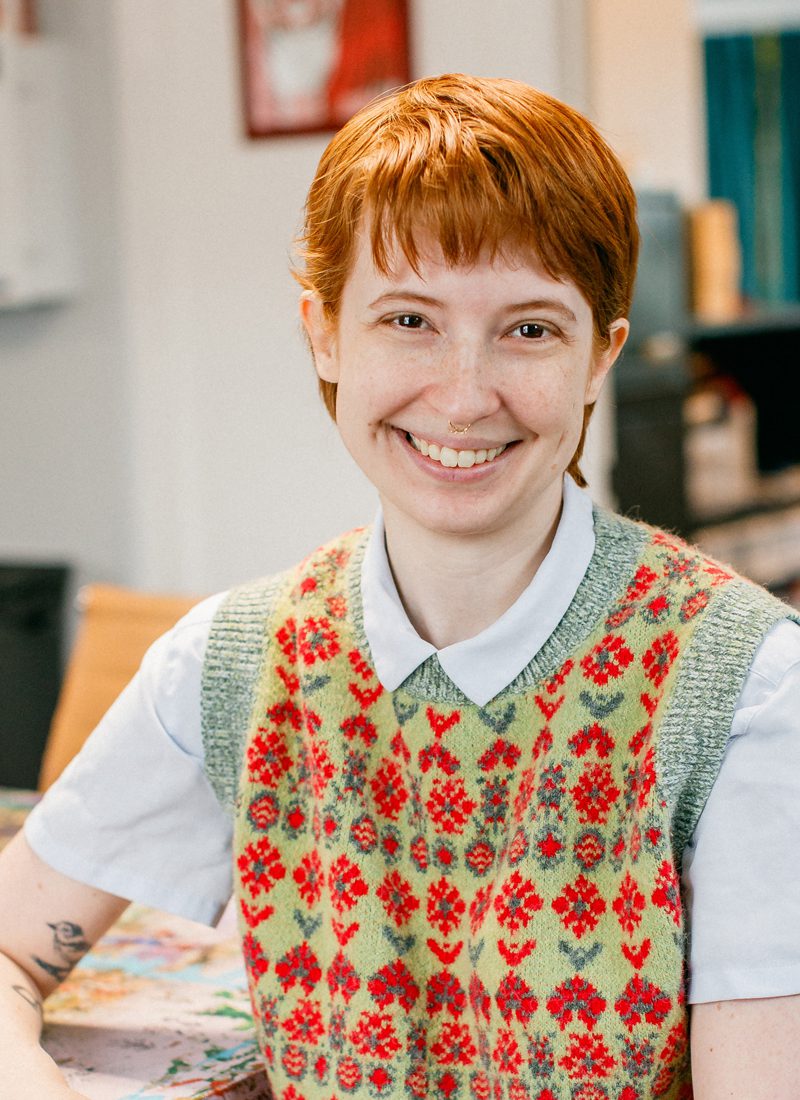
SYDNEY DLHOPOLSKY, LCAT-P

LYRAH WALLACE, LCAT

SARAH MAYNARD, LCAT
LGBTQIA+, Neurodivergent, and Sensitive Kids Are Safe Here
If your child is queer, questioning, trans, nonbinary, highly sensitive, has autism, ADHD, or some combination of these, you might be extra careful about where you seek help. You may be wondering if a therapist will really get your kid, or if they will try to make them quieter, more “normal,” or easier for other people.
For Kids And Teens Who Have Felt “Too Much”
Many of the young people we see know how to hold it together all day, only to melt down at home. They know what it is like to be teased for how they move or dress, to be misgendered by adults, or to feel like they have to shrink themselves to stay safe. Some have had past therapy that ignored or pathologized their identities, which can make it even harder to trust someone new.
What Affirming Care Means Here
At Spotted Rabbit Creative Arts Therapy, LGBTQIA+ and neurodivergent affirming care isn’t just something we say. It shapes how we decorate our spaces, use language, ask questions, and understand our children’s struggles. Our therapists share these identities and have deep training and lived experience in these communities. Your child does not have to explain why pronouns matter, why certain sounds are unbearable, or why they stim when they are overwhelmed. This commitment is central to our child and adolescent therapy in Rochester.
Affirming care does not mean pretending everything is easy. It means holding space for both the joy and the grief of living in a world that often misunderstands them. It means working directly with depression, anxiety, and self-harm while never treating a child’s core identity as the problem
You Are Allowed To Learn
Parenting a child who feels a lot can be tender and confusing, and you are not supposed to have it all figured out. Here, you can ask questions about neurodivergence, sexuality and gender, school support, and everything in between without being judged or shamed. We welcome caregivers at every stage, from “I am just starting to learn these words” to “I have been advocating for years, and I am exhausted.” We are glad you are here, and we will meet you exactly where you are in a way that honors you, your child, and your family’s story and culture.

Getting Started with Child & Adolescent Therapy in Rochester
When you are worried about your child, waiting months for help can feel unbearable. Spotted Rabbit Creative Arts Therapy currently has no waitlist for child and adolescent therapy in Rochester, so your family can begin sooner rather than later.
We offer in-person sessions in Brighton and Pittsford, NY, as well as online appointments for kids and teens anywhere in New York State. Many families appreciate after-school, early evening, and weekend options when available, which helps therapy fit into real life instead of fighting with it.
No waitlist. Call or text 585-430-9877 or reach out through our contact form so we can help you and your child take the next step toward relief and connection.
Inside the Brighton & Pittsford Studios (and coming soon, Greece!)
A SPACE THAT INVITES KIDS TO BREATHE
Our studios in Brighton and Pittsford, NY, are designed to feel like creative spaces rather than sterile clinics. Kids and teens might notice shelves of art supplies, cozy seating, soft lighting, and sensory-friendly options that help them feel safer. Here kids can color on the table, get paint on the floor, and overall get creative with supplies in a way that releases both pent up energy and emotions.
OUR THERAPEUTIC APPROACHES
We draw from art therapy, nervous system- and polyvagal-informed work, play-based interventions, mindfulness, CBT tools, and more in our approach to child and adolescent therapy in Rochester. Each of our licensed therapists has unique specialties and utilizes different modalities. Our team will take your story and needs and match you with a therapist who has the skills and background that will best support your child in their mental health journey.
Sessions That Shift With Your Child
Sessions can be art-focused, talk-focused, or a mix. One week might be about painting a difficult memory. Another might center on practicing a few grounding skills for panic. Sometimes the most important thing is simply having a safe, neutral space to process their challenging feelings, insecurities, or trauma. We follow their pace while still holding a steady container around safety.
How Caregivers Are Included
Caregivers are part of the team. You might join parts of sessions, have separate caregiver support meetings, or receive regular updates about themes and progress. We can also collaborate with schools, psychiatrists, and other providers when you and your child consent. At the same time, we protect your child or teen’s privacy so they have a space that truly feels like theirs. This collaborative approach is a hallmark of our child and adolescent therapy in Rochester.
Read More: When Your Child is in Therapy: A Guide For Parent/Guardian Expectations
FAQs About Child & Adolescent Therapy in Rochester
COMMON QUESTIONS WE HEAR
What happens when I first reach out to Spotted Rabbit about my child?
When you reach out, someone from our team will gather a few basics so we can get you matched with the right therapist. We will usually ask your child’s age, pronouns, key concerns, any diagnoses or school supports, your scheduling needs, and anything important about their identities or accessibility needs. From there, we suggest a therapist who fits your child and your family, send you some online paperwork to complete, and then we set up a first appointment together. This is the first step in beginning child and adolescent therapy in Rochester.
What kind of information will I need to share during the intake process?
During intake for adolescent and teen therapy, or children's therapy, we stay focused on what helps us support your child, not on judging you or your parenting. We may ask about:
• Your child’s age and pronouns
• What you are noticing at home, school, or with friends
• Any safety concerns or self-harm history
• Diagnoses, IEPs or 504 plans, and current medications
• Sensory needs, mobility needs, or communication preferences
• Identities that matter to your child, such as being LGBTQIA+, having autism or ADHD, or being part of a specific cultural or faith community
You are always welcome to share what feels relevant and to say if something feels too personal to talk about yet. Our art therapy for teens and children is meant to be a safe, supportive experience. Our staff will ask questions with care and collaboration, guiding the process, ensuring you are supported openly and kindly from the very beginning.
How do I talk to my child or teen about starting therapy without scaring them?
You do not need the perfect speech. Simple and honest usually works best. You might say, “I notice things have been really hard lately, and you deserve more support. Therapy is a place that is just for you to talk, make art, or both with someone whose job is to help.” Avoid framing therapy as a consequence, and instead describe it as a support team member, like a coach or tutor for feelings. For younger kids, you can mention that there will be art supplies and cozy spaces.
Broaching the topic of therapy for teens or younger kids can be tough. If you are unsure what to say, your child’s therapist can help you come up with language that fits your family.
Do I stay in the room during my child’s sessions?
It depends on your child’s age, needs, and comfort level. For younger children in our children's therapy program, caregivers are often more involved early on and may join parts of sessions. Older kids and teens who are enrolled in adolescent and teen therapy usually meet alone with their therapist, while caregivers receive regular check-ins outside the room. Our goal is to balance your child’s need for privacy with your need to stay informed and supported. You will talk with your therapist about what that balance looks like for your family.
How do telehealth sessions work for kids and teens?
Telehealth sessions are designed to be just as real and engaging as in-person sessions. Your child or teen meets with their therapist over a secure video platform. Many kids like to have simple art supplies nearby, such as paper, markers, or clay, so they can still use art in virtual sessions. Therapists may invite your child to draw, move around, use objects from home, or share their artwork on screen. For some youth, meeting from their own room or a familiar space can make it feel easier to open up. Telehealth makes adolescent and teen therapy or children's therapy accessible and effective, no matter where they are calling in from. We provide telehealth art therapy all over New York State.
What if my child does not like art or does not think they are creative?
Child and adolescent art therapy in Rochester at Spotted Rabbit Creative Arts Therapy is never about talent. Stick figures, scribbles, and messy colors are all welcome. If they hate drawing, but love clay that’s totally okay with us too! Some kids start with more talking and only add art later, or not at all. Others never stop drawing once they realize there are no grades or rules. In therapy for teens or therapy for younger kids, your child always has a choice about how they express themselves, and therapists follow their lead rather than forcing a certain way to be creative.
How do I choose the right therapist for my child or teen?
You do not have to figure it out alone. Once we know a bit about your child’s needs, identities, and scheduling, we suggest therapists who are a good fit. We are thorough in the intake process and will help you determine if your child would be best suited for teen adolescent therapy or children's therapy, and from there match you with a therapist who best fits your child's needs. You can read more about each therapist’s style, training, and lived experience on our Team Page. If something does not feel quite right after you start, we can help you find a better match within the practice. The relationship matters as much as the method, and you deserve a team that feels like a fit.

Spotted Rabbit is growing along with our community.
Spotted Rabbit Studio is expanding our practice and welcoming new therapists to our care team...along with a third studio location opening soon in Greece, New York, serving the greater Rochester community.